Sony a6600 → Sony a6700
Is the upgrade worth it? Every change on the spec sheet, and an honest read on who should bother.
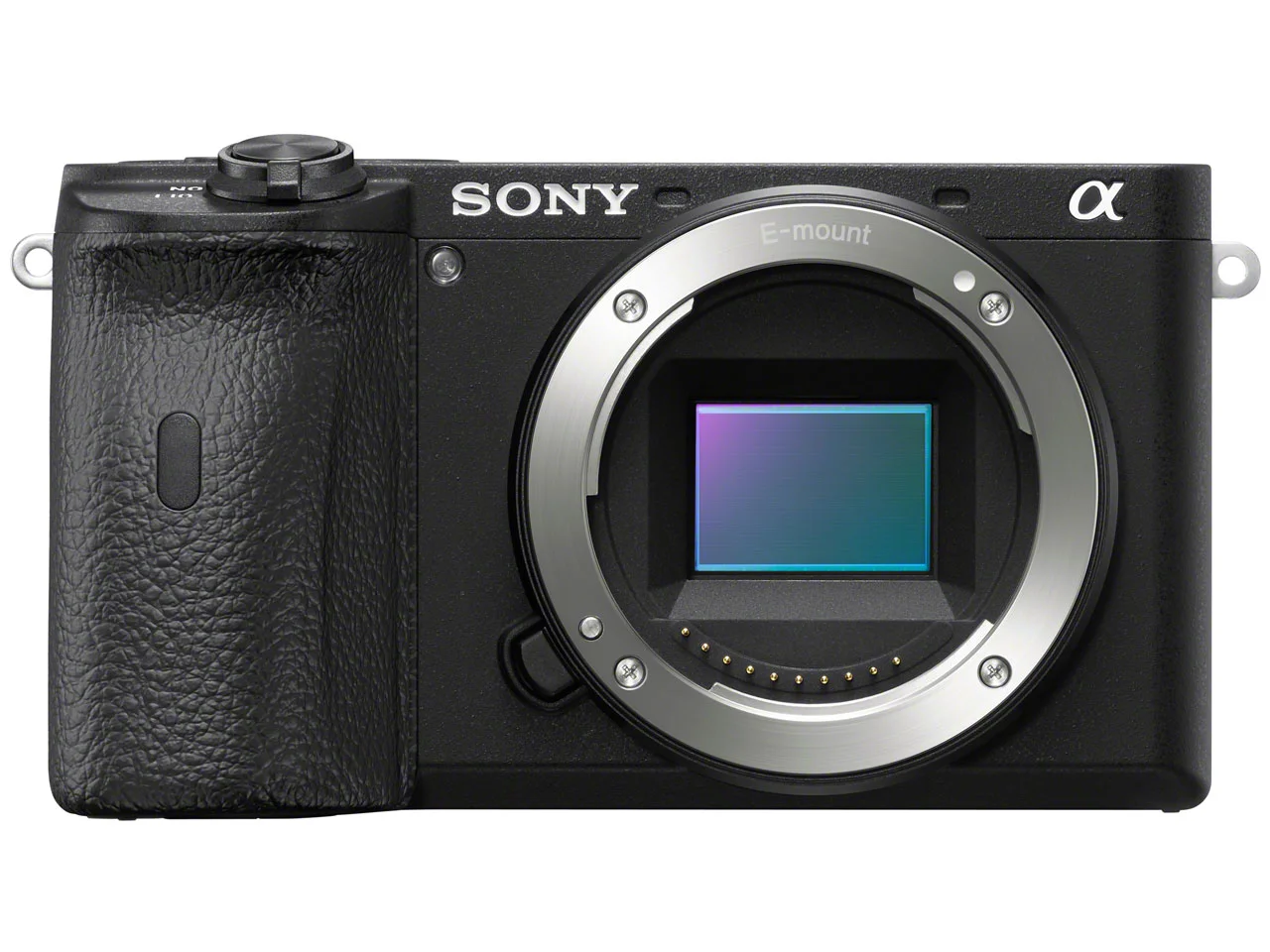
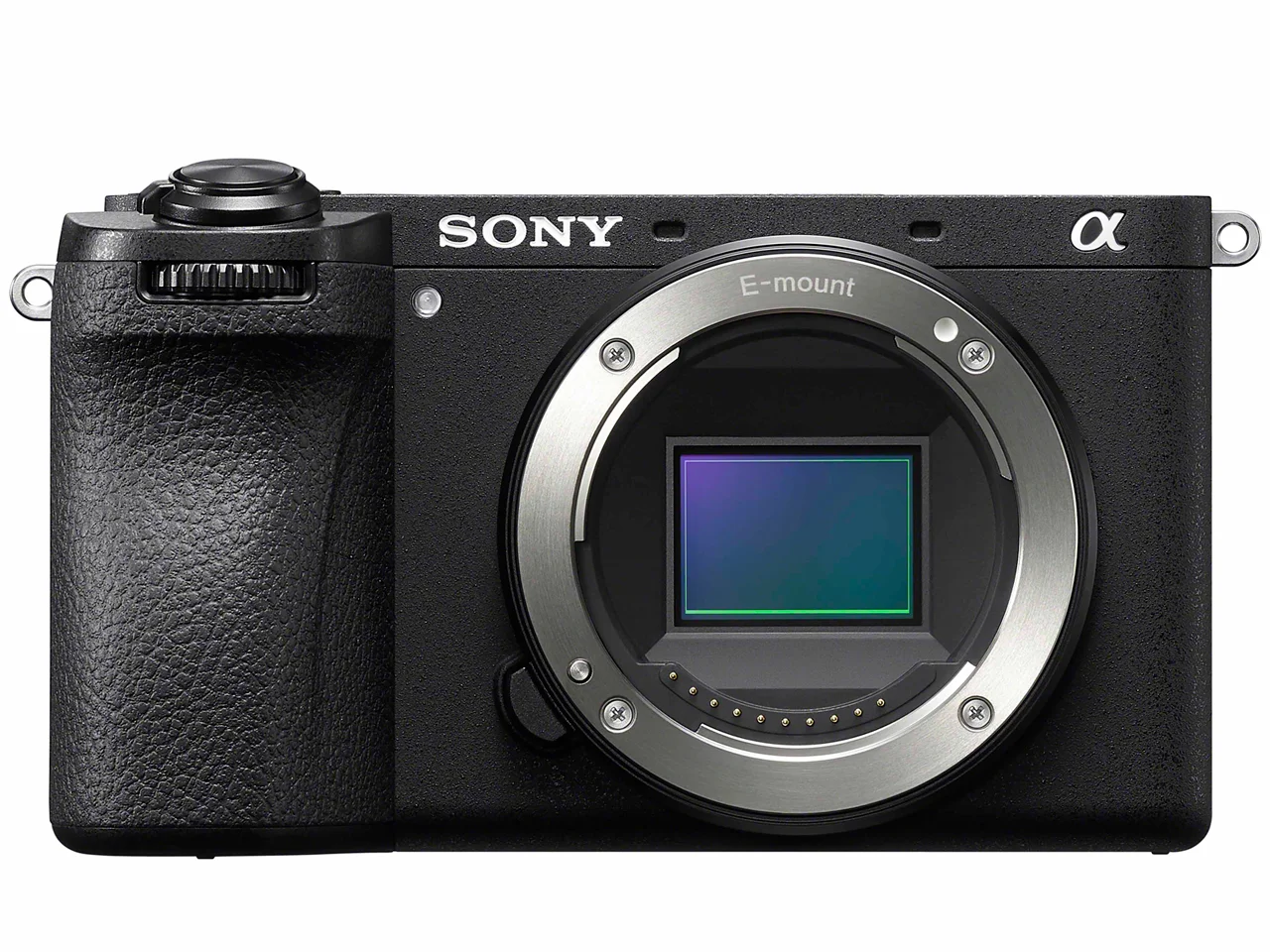
The bottom line
The Sony a6700 is the direct successor to your Sony a6600, released 4 years later. Across the full spec sheet it improves 9 items and steps back on 2. The changes that matter most: 4K goes from 30p to 120p; subject-detection AF is added. The Sony a6700 lists at $1,399 (the Sony a6600 launched at $1,399, and older bodies typically sell for well under launch price on the used market). If several of the gains below map to how you shoot, this is a substantial step up; if none do, your current body keeps doing everything it does today.
Upgrade to the Sony a6700 if…
- ✓You shoot video seriously — it brings smoother 120p 4K vs 30p and no per-clip recording limit (vs a 29-min cap).
- ✓You photograph moving subjects — it adds AF subject detection for animals and vehicles that the other body lacks.
- ✓You vlog or shoot handheld solo — the fully-articulating screen flips to face you and there's a mic input for clean audio.
- ✓You shoot in low light or indoors — AF that focuses down to -3 EV gives it the edge after dark.
Stick with the Sony a6600 if…
- •None of the headline changes map to what you actually shoot — the camera you own doesn't get worse when a successor launches.
What changed (21 items)
↑ 9 improved · ↓ 2 stepped back · → changed without a clear better/worse
| Spec | Sony a6600 | Sony a6700 |
|---|---|---|
| Imaging | ||
| →Sensor Type | CMOS | BSI CMOS |
| →Image Processor | BIONZ X | BIONZ XR |
| ↑Effective Resolution | 24.2 MP | 26 MP |
| Video Capture | ||
| ↑4K Recording | Up to 30p | Up to 120p |
| ↑1080p Recording | Up to 120p | Up to 240p |
| →Recording Limit | 29 min | No limit |
| →Log Profiles | S-Log3 / HLG / S-Cinetone | S-Log3 / S-Cinetone |
| →Built-in Mic | Mono | Stereo |
| Focus | ||
| ↑Phase Detect Points | 425 | 759 |
| ↑Low Light AF | -2 EV | -3 EV |
| ↑Vehicle AF | No | Yes |
| Monitor | ||
| ↑LCD Resolution | 0.92M dots | 1.04M dots |
| →LCD Type | Tilting | Vari-Angle |
| Interface | ||
| →USB | USB-C 3.1 Gen 1 | USB-C 3.2 |
| →Memory Card Slots | 1x SD UHS-I | 1x SD UHS-II |
| General | ||
| →Body Material | Magnesium Alloy | Magnesium Alloy / Polycarbonate |
| →Dimensions | 120×66.9×69.3 mm | 122×69×75.1 mm |
| ↑Weight | 503g (1.11 lb) | 493g (1.09 lb) |
| ↑Weather Sealed | No | Yes |
| ↓Battery Life (EVF) | 720 shots | 550 shots |
| ↓Battery Life (LCD) | 810 shots | 570 shots |
What stayed the same (27 items)
Everything below is identical on both bodies — if these are what you buy a camera for, the Sony a6600 already has them.
Ready to buy?
Sony a6600 (keep or buy used)
As an Amazon Associate, we earn from qualifying purchases — at no extra cost to you.
Sony a6700
As an Amazon Associate, we earn from qualifying purchases — at no extra cost to you.
Frequently asked
Is it worth upgrading from the Sony a6600 to the Sony a6700?
The Sony a6700 is the direct successor to your Sony a6600, released 4 years later. Across the full spec sheet it improves 9 items and steps back on 2. The changes that matter most: 4K goes from 30p to 120p; subject-detection AF is added. The Sony a6700 lists at $1,399 (the Sony a6600 launched at $1,399, and older bodies typically sell for well under launch price on the used market). If several of the gains below map to how you shoot, this is a substantial step up; if none do, your current body keeps doing everything it does today.
What are the biggest improvements of the Sony a6700 over the Sony a6600?
Across the spec sheet the Sony a6700 improves 9 items. The most significant: it brings smoother 120p 4K vs 30p and no per-clip recording limit (vs a 29-min cap). it adds AF subject detection for animals and vehicles that the other body lacks. the fully-articulating screen flips to face you and there's a mic input for clean audio. AF that focuses down to -3 EV gives it the edge after dark.
What does the Sony a6600 still do just as well as the Sony a6700?
27 spec items are identical between the two, including sensor size (APS-C), lens mount (Sony E), iso range (native) (100 – 32000), iso range (extended) (50 – 102400), mechanical shutter (1/4000), electronic shutter (1/8000). If those cover your needs, the older body remains fully capable.
Does the Sony a6700 give anything up compared to the Sony a6600?
Yes — 2 items on the spec sheet move the other way: battery life (evf) (720 shots → 550 shots), battery life (lcd) (810 shots → 570 shots).