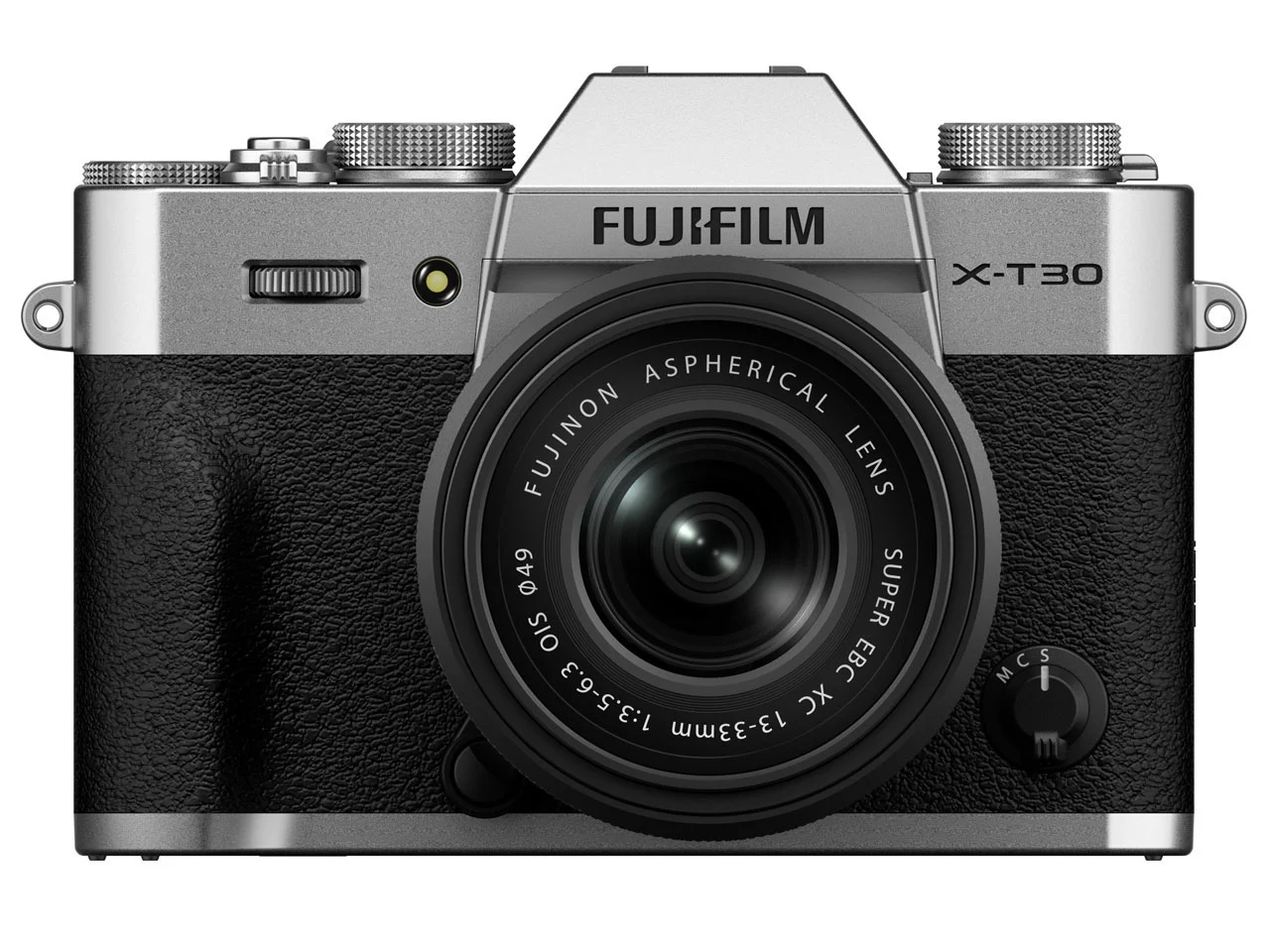
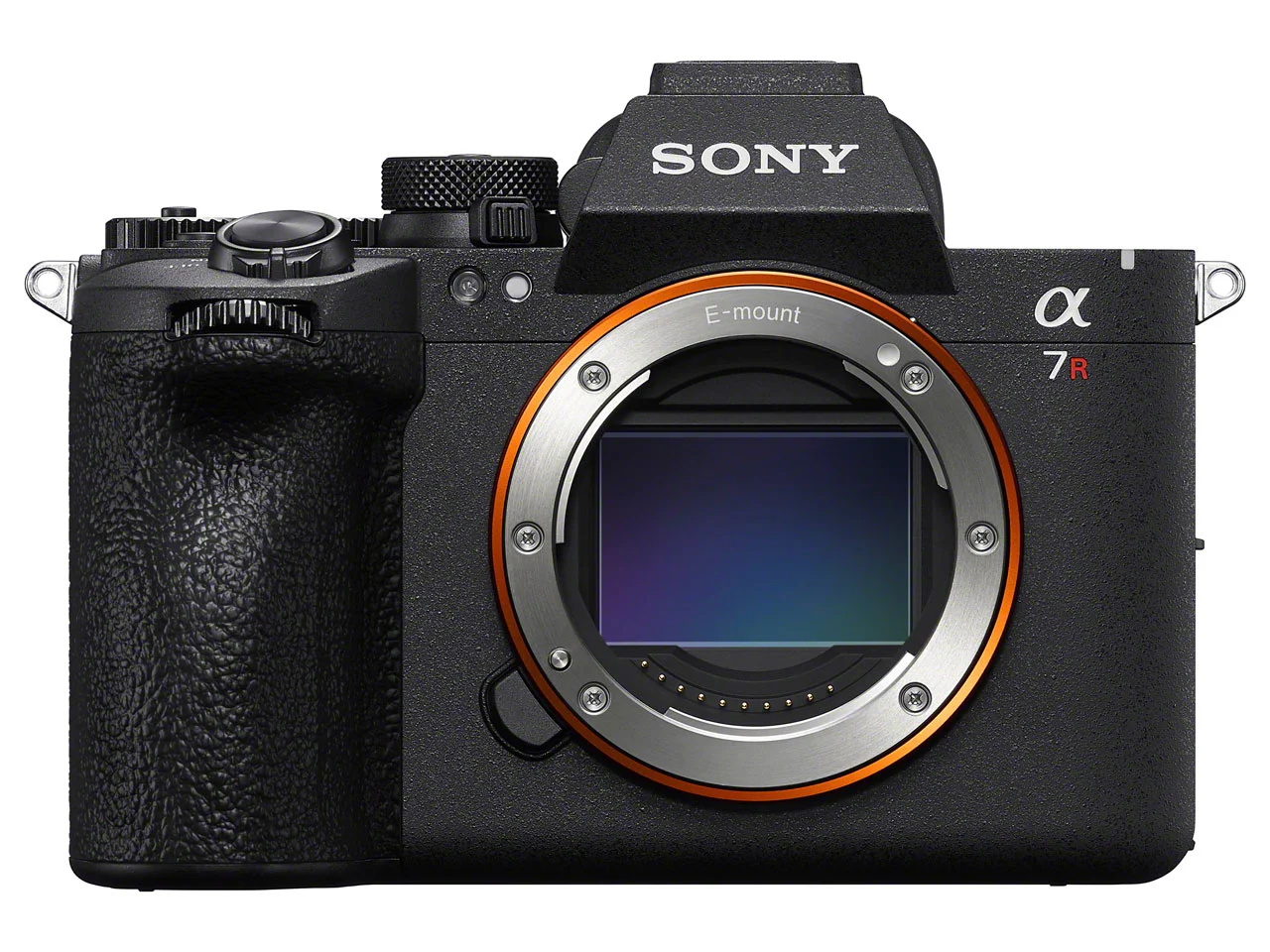
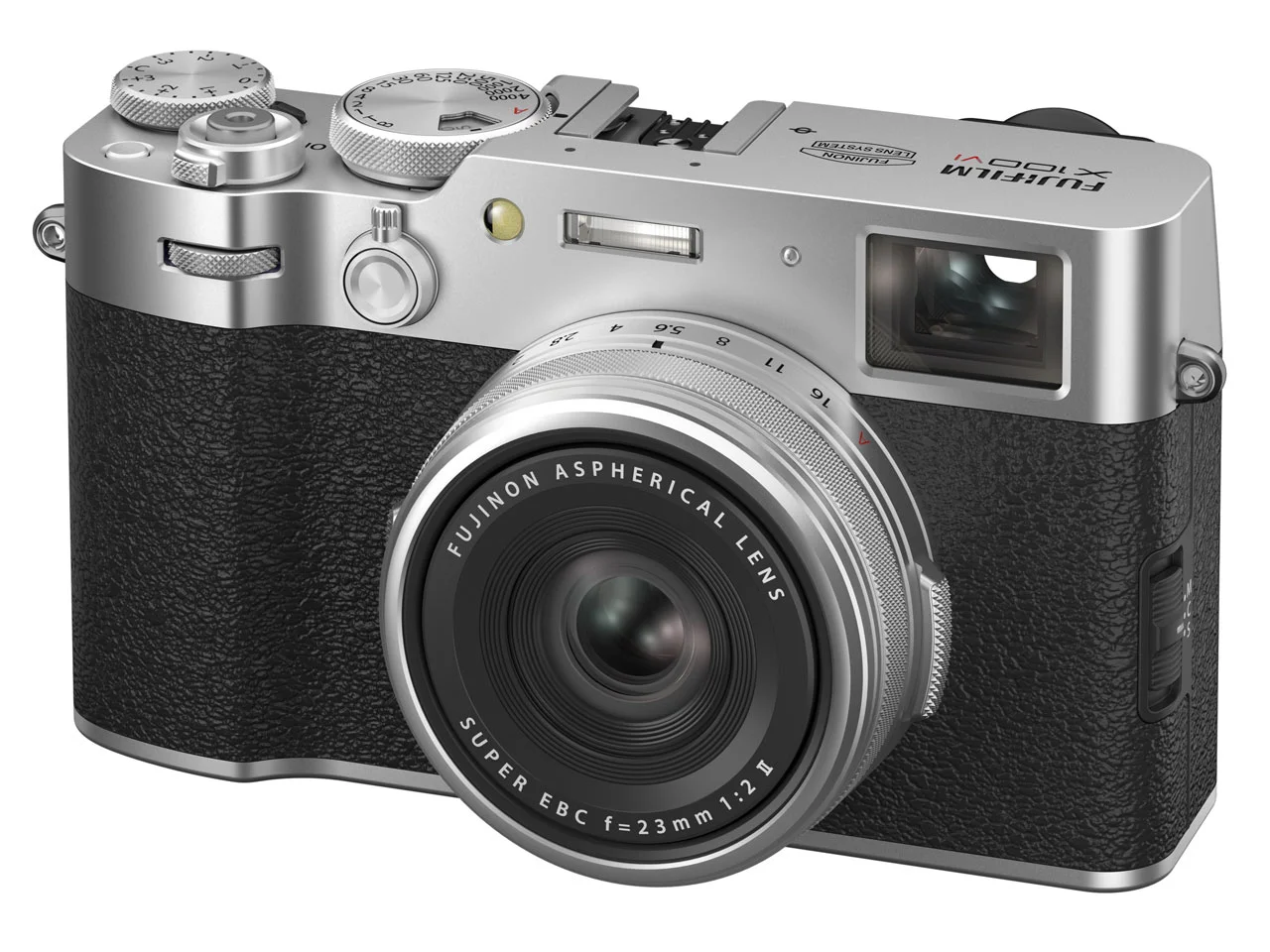
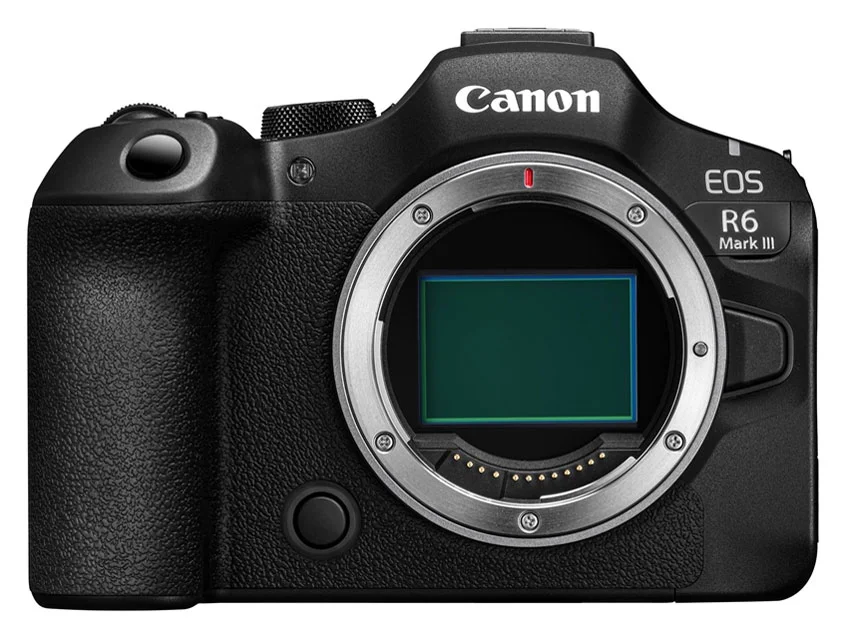
Fujifilm X-T30 III vs Sony a7R VI
The bottom line
These sit in different sensor classes, and that decides most of it. The Sony a7R VI is full-frame (720g (1.59 lb), $4,499) — larger sensor, shallower depth-of-field and cleaner high-ISO. The Fujifilm X-T30 III is APS-C (383g (13.5 oz), $899), trading some of that for a lighter, cheaper body and extra effective reach from lenses. Pick the format that matches how you shoot before splitting hairs on features.
Choose the Fujifilm X-T30 III if…
- ✓You're budget-conscious — it launched at $899, about $3,600 less, freeing money for lenses.
- ✓You shoot in low light or indoors — AF that focuses down to -7 EV gives it the edge after dark.
- ✓You value portability — at 383g (13.5 oz) it's noticeably lighter than the 720g (1.59 lb) alternative for travel and all-day carry.
- ✓You need extra telephoto reach in a compact kit — the smaller APS-C sensor effectively extends your lenses and keeps the whole system lighter.
Choose the Sony a7R VI if…
- ✓You shoot video seriously — it brings 8K capture (up to 30p) and both mic and headphone jacks for monitored audio.
- ✓You want maximum detail for landscapes, studio or large prints — 60.1MP resolves noticeably more than 40.2MP and gives more cropping latitude.
- ✓You prioritise shallow depth-of-field and clean high-ISO — its full-frame sensor is larger than the APS-C one, so backgrounds blur more and noise stays lower in dim light.
- ✓You shoot handheld — in-body stabilisation lets you use slower shutter speeds and steadies video, which the other body can't do without a stabilised lens.
Where they differ
- ›Video: the Sony a7R VI is the stronger video tool — 8K, 4K up to 60p and 10-bit internal.
- ›Price: the Fujifilm X-T30 III launched at $899, $3,600 under the Sony a7R VI — money that could go toward glass.
- ›Stabilisation: only the Sony a7R VI has in-body IS — slower handheld shutter speeds and steadier video without relying on stabilised lenses.
- ›Card slots: the Sony a7R VI has dual slots for instant backup — the reliability paid work depends on.
- ›Durability: the Sony a7R VI is weather-sealed against dust and rain; the other isn't.
- ›Weight: the Fujifilm X-T30 III is 383g (13.5 oz) vs 720g (1.59 lb) — 337g you'll feel on a long day out.
Frequently asked
Is the Fujifilm X-T30 III or the Sony a7R VI better?
These sit in different sensor classes, and that decides most of it. The Sony a7R VI is full-frame (720g (1.59 lb), $4,499) — larger sensor, shallower depth-of-field and cleaner high-ISO. The Fujifilm X-T30 III is APS-C (383g (13.5 oz), $899), trading some of that for a lighter, cheaper body and extra effective reach from lenses. Pick the format that matches how you shoot before splitting hairs on features.
Who should choose the Fujifilm X-T30 III?
Choose the Fujifilm X-T30 III if you're budget-conscious — it launched at $899, about $3,600 less, freeing money for lenses. Choose it if you shoot in low light or indoors — AF that focuses down to -7 EV gives it the edge after dark. Choose it if you value portability — at 383g (13.5 oz) it's noticeably lighter than the 720g (1.59 lb) alternative for travel and all-day carry. Choose it if you need extra telephoto reach in a compact kit — the smaller APS-C sensor effectively extends your lenses and keeps the whole system lighter.
Who should choose the Sony a7R VI?
Choose the Sony a7R VI if you shoot video seriously — it brings 8K capture (up to 30p) and both mic and headphone jacks for monitored audio. Choose it if you want maximum detail for landscapes, studio or large prints — 60.1MP resolves noticeably more than 40.2MP and gives more cropping latitude. Choose it if you prioritise shallow depth-of-field and clean high-ISO — its full-frame sensor is larger than the APS-C one, so backgrounds blur more and noise stays lower in dim light. Choose it if you shoot handheld — in-body stabilisation lets you use slower shutter speeds and steadies video, which the other body can't do without a stabilised lens.
What is the main difference between the Fujifilm X-T30 III and the Sony a7R VI?
Video: the Sony a7R VI is the stronger video tool — 8K, 4K up to 60p and 10-bit internal.
| Product | ||
|---|---|---|
| Imaging | ||
| Sensor Type | BSI X-Trans CMOS 5 HR | BSI Stacked CMOS |
| Sensor Size | APS-C | Full-Frame |
| Image Processor | X-Processor 5 | BIONZ XR2 |
| Effective Resolution | 40.2 MP | 60.1 MP |
| Lens Mount | Fujifilm X | Sony E |
| Exposure Control | ||
| ISO Range (Native) | 125 – 12800 | 100 – 32000 |
| ISO Range (Extended) | 64 – 51200 | 50 – 102400 |
| Mechanical Shutter | 1/4000 | 1/8000 |
| Electronic Shutter | 1/180000 | 1/32000 |
| Flash Sync Speed | 1/250 | 1/250 |
| Built-in Flash | Yes | No |
| Still Image Capture | ||
| Continuous Shooting | 8 fps | 10 fps |
| Video Capture | ||
| Max Resolution | 6.2K | 8K |
| 8K Recording | − | Up to 30p |
| 4K Recording | Up to 60p | Up to 60p |
| 1080p Recording | Up to 240p | Up to 120p |
| 10-bit Internal | Yes | Yes |
| Recording Limit | No limit | No limit |
| Log Profiles | F-Log / F-Log 2 / HLG | S-Log3 / HLG / S-Cinetone |
| Built-in Mic | Stereo | Stereo |
| Headphone Jack | No | Yes |
| Mic Input | Yes | Yes |
| HDMI Output | Micro (Type D) | Full-size (Type A) |
| Focus | ||
| Phase Detect Points | 425 | 693 |
| Contrast Detect Points | − | − |
| Low Light AF | -7 EV | -4 EV |
| Eye AF | Yes | Yes |
| Animal AF | Yes | Yes |
| Vehicle AF | Yes | Yes |
| Viewfinder | ||
| EVF Type | OLED | OLED |
| EVF Resolution | 3.69M dots | 9.44M dots |
| EVF Magnification | 0.62x | 0.9x |
| Monitor | ||
| LCD Size | 3" | 3.2" |
| LCD Resolution | 1.84M dots | 2.10M dots |
| LCD Type | Tilting | 4-Axis Tilting |
| Touch Screen | Yes | Yes |
| Interface | ||
| Wi-Fi | Wi-Fi 5 | Wi-Fi 6 |
| Bluetooth | v5 | v5.3 |
| USB | USB-C 3.2 | USB-C 3.2 Gen 2 |
| Memory Card Slots | 1x SD UHS-I | 2x CFexpress Type A / SD UHS-II |
| GPS | No | No |
| General | ||
| Price (MSRP) | $899 | $4,499 |
| Body Material | Polycarbonate | Magnesium Alloy |
| Dimensions | 118×83×46.8 mm | 131.3×96.9×82.4 mm |
| Weight | 383g (13.5 oz) | 720g (1.59 lb) |
| Weather Sealed | No | Yes |
| In-Body Stabilization | No | Yes |
| Battery Life (EVF) | 380 shots | 530 shots |
| Battery Life (LCD) | 430 shots | 600 shots |
| Battery Type | NP-W126S | NP-FZ100 |