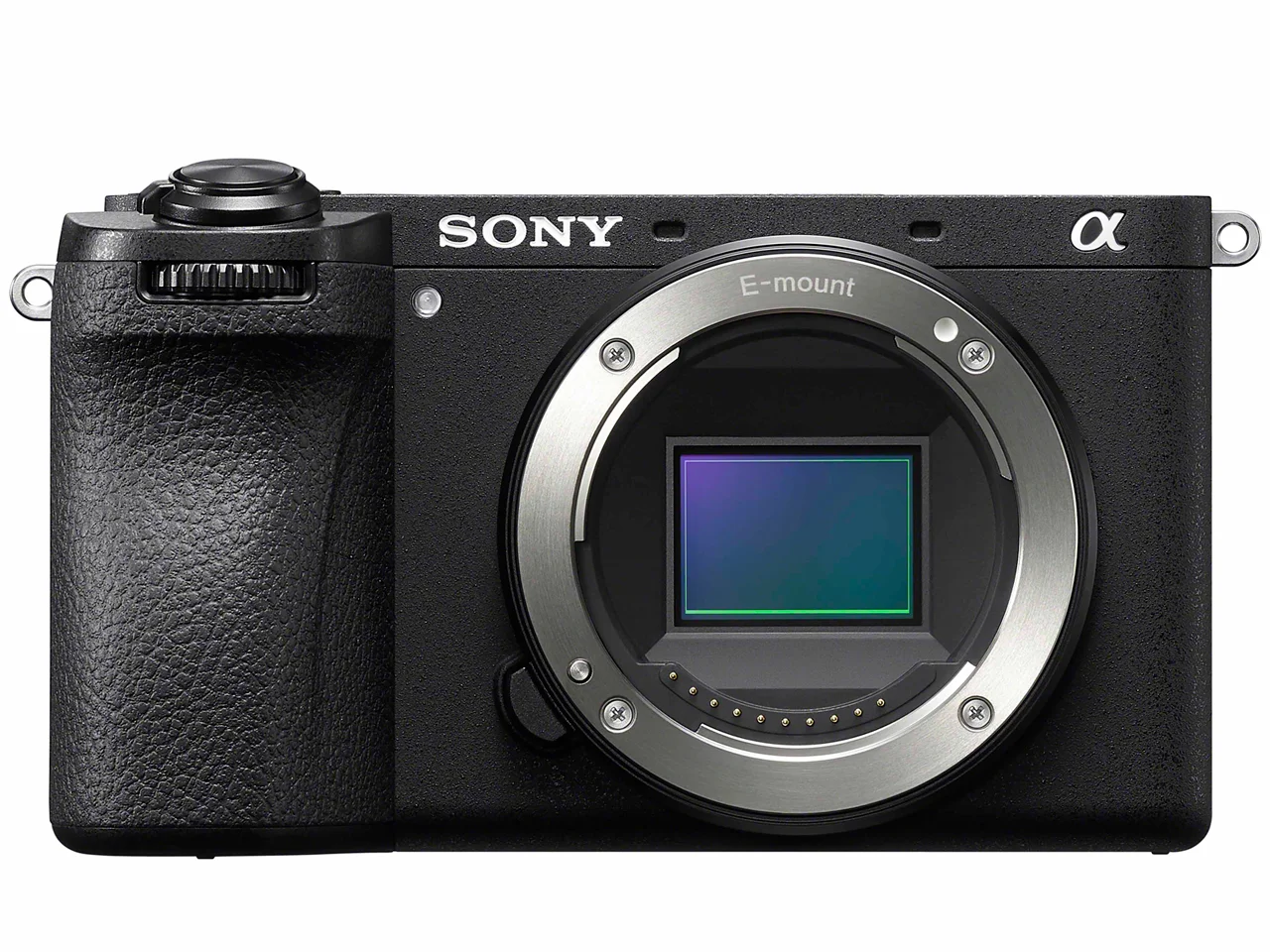
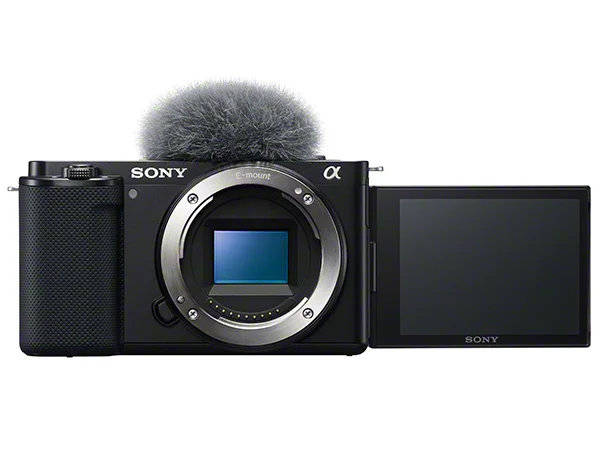
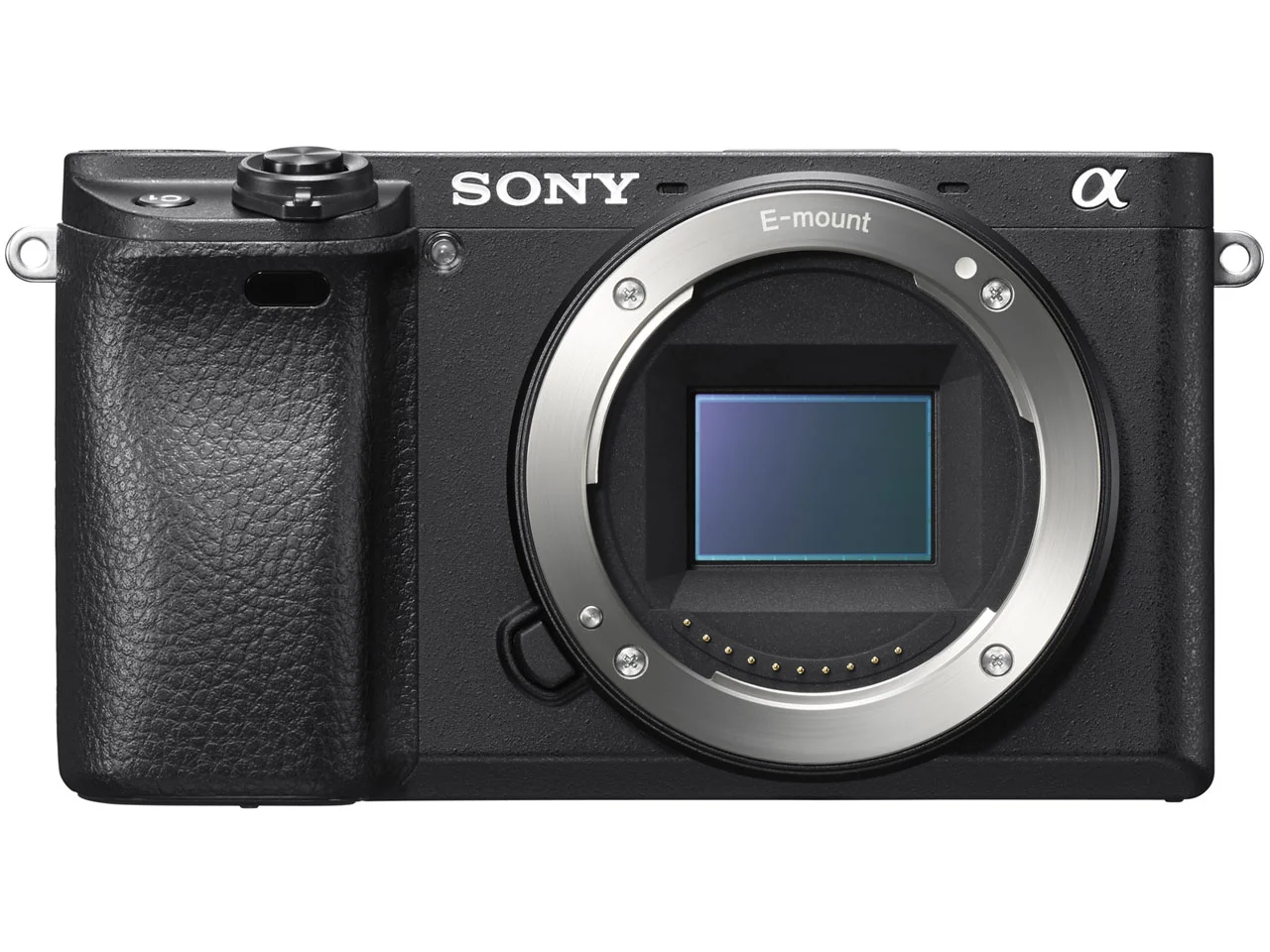
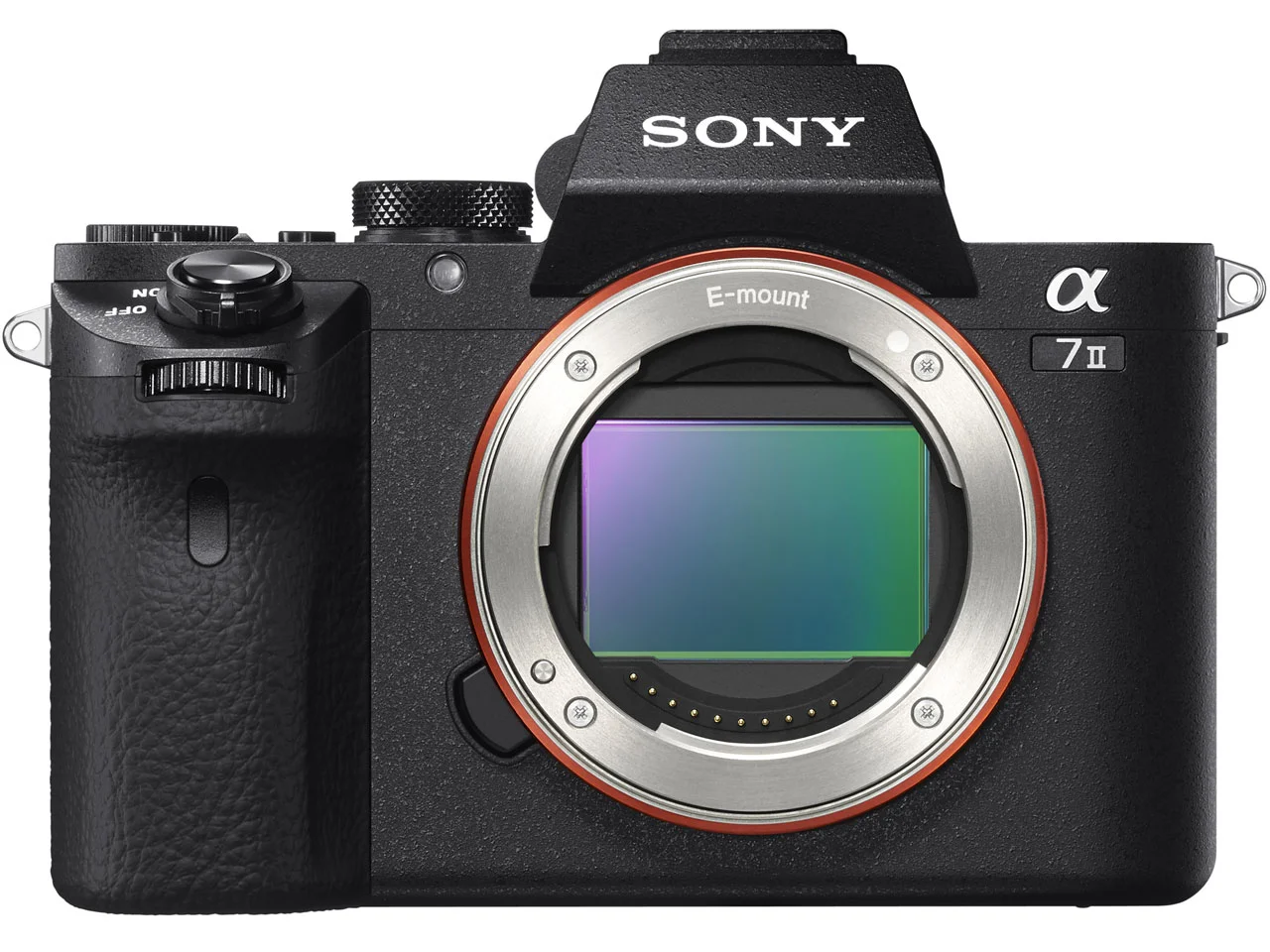
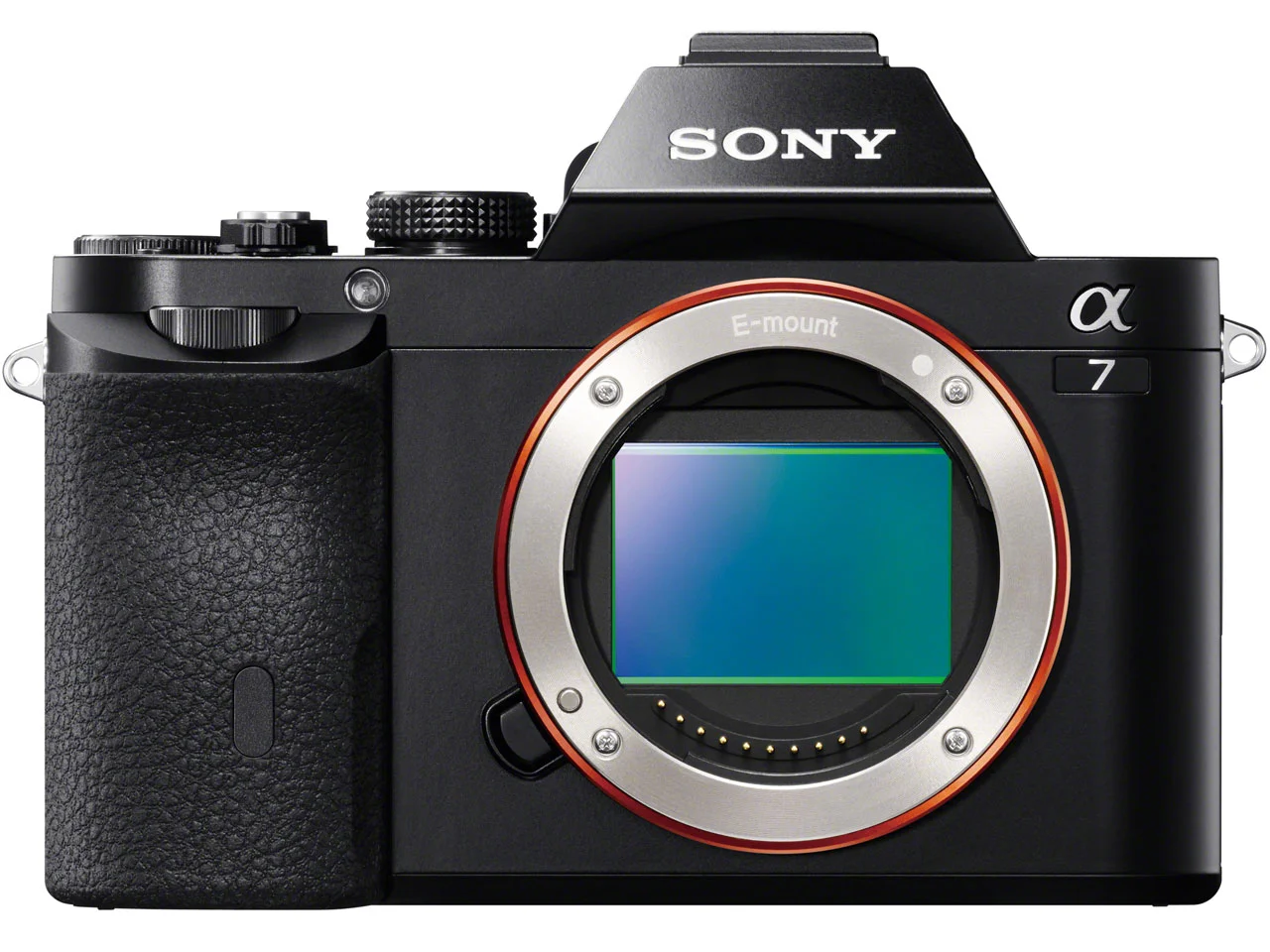
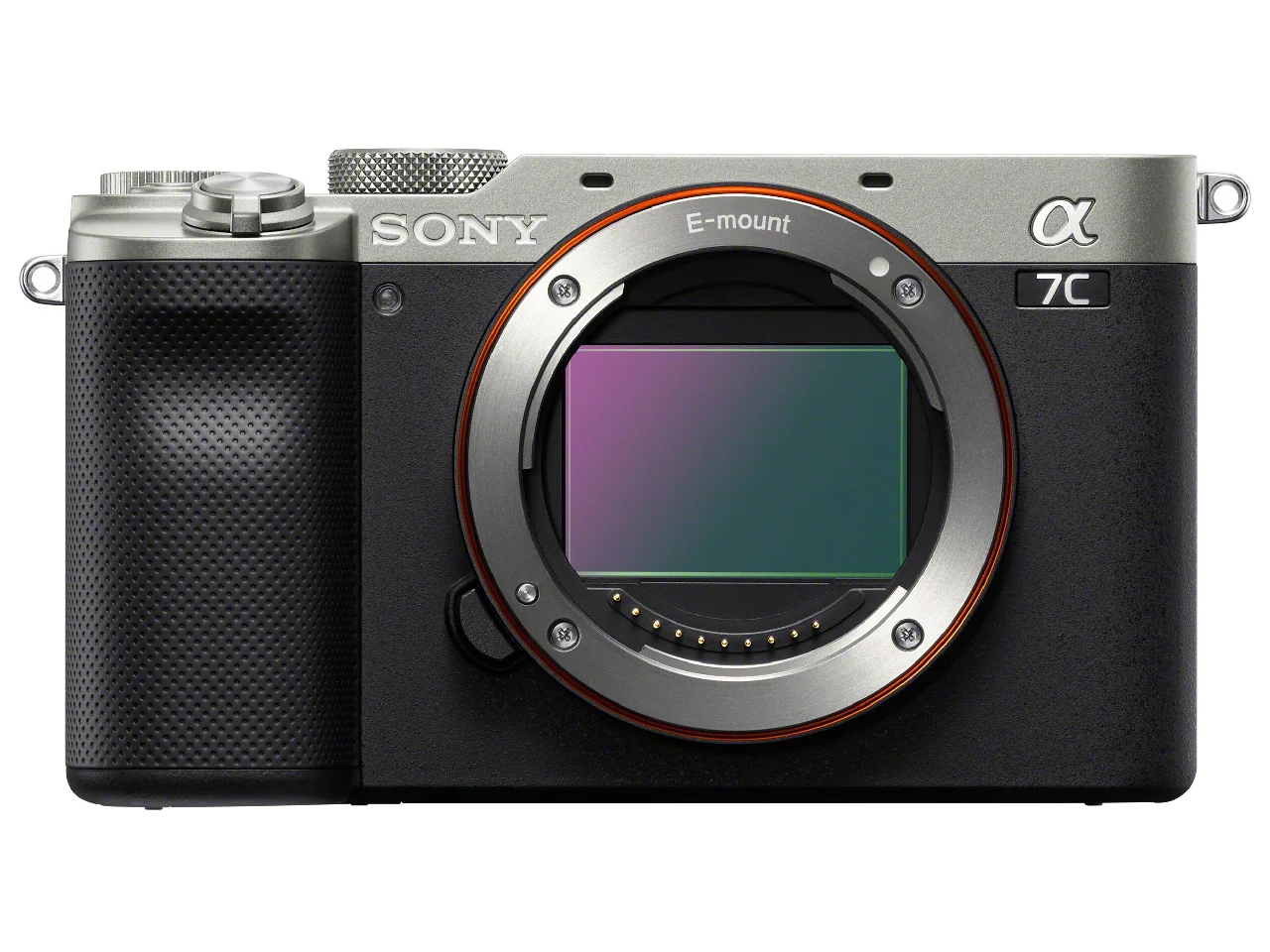
Sony a6700 vs Sony ZV-E10
The bottom line
Same line, different generation: the Sony a6700 (2023) moves ahead on 4K frame rate (120p vs 30p), in-body stabilisation and subject-detection AF. The Sony ZV-E10 is still the value pick at $749 ($1,399 for the Sony a6700). If those newer features aren't ones you'll actually use, the Sony ZV-E10 gives you most of the experience for less.
Choose the Sony a6700 if…
- ✓You shoot video seriously — it brings smoother 120p 4K vs 30p and both mic and headphone jacks for monitored audio.
- ✓You photograph moving subjects — it adds AF subject detection for animals and vehicles that the other body lacks.
- ✓You shoot handheld — in-body stabilisation lets you use slower shutter speeds and steadies video, which the other body can't do without a stabilised lens.
- ✓You shoot in low light or indoors — AF that focuses down to -3 EV gives it the edge after dark.
Choose the Sony ZV-E10 if…
- ✓You're budget-conscious — it launched at $749, about $650 less, freeing money for lenses.
- ✓You value portability — at 343g (12.1 oz) it's noticeably lighter than the 493g (1.09 lb) alternative for travel and all-day carry.
Where they differ
- ›Video: the Sony a6700 is the stronger video tool — 4K up to 120p, 10-bit internal and Log.
- ›Price: the Sony ZV-E10 launched at $749, $650 under the Sony a6700 — money that could go toward glass.
- ›Stabilisation: only the Sony a6700 has in-body IS — slower handheld shutter speeds and steadier video without relying on stabilised lenses.
- ›Durability: the Sony a6700 is weather-sealed against dust and rain; the other isn't.
- ›Weight: the Sony ZV-E10 is 343g (12.1 oz) vs 493g (1.09 lb) — 150g you'll feel on a long day out.
Frequently asked
Is the Sony a6700 or the Sony ZV-E10 better?
Same line, different generation: the Sony a6700 (2023) moves ahead on 4K frame rate (120p vs 30p), in-body stabilisation and subject-detection AF. The Sony ZV-E10 is still the value pick at $749 ($1,399 for the Sony a6700). If those newer features aren't ones you'll actually use, the Sony ZV-E10 gives you most of the experience for less.
Who should choose the Sony a6700?
Choose the Sony a6700 if you shoot video seriously — it brings smoother 120p 4K vs 30p and both mic and headphone jacks for monitored audio. Choose it if you photograph moving subjects — it adds AF subject detection for animals and vehicles that the other body lacks. Choose it if you shoot handheld — in-body stabilisation lets you use slower shutter speeds and steadies video, which the other body can't do without a stabilised lens. Choose it if you shoot in low light or indoors — AF that focuses down to -3 EV gives it the edge after dark.
Who should choose the Sony ZV-E10?
Choose the Sony ZV-E10 if you're budget-conscious — it launched at $749, about $650 less, freeing money for lenses. Choose it if you value portability — at 343g (12.1 oz) it's noticeably lighter than the 493g (1.09 lb) alternative for travel and all-day carry.
What is the main difference between the Sony a6700 and the Sony ZV-E10?
Video: the Sony a6700 is the stronger video tool — 4K up to 120p, 10-bit internal and Log.
| Product | ||
|---|---|---|
| Imaging | ||
| Sensor Type | BSI CMOS | CMOS |
| Sensor Size | APS-C | APS-C |
| Image Processor | BIONZ XR | BIONZ X |
| Effective Resolution | 26 MP | 24.2 MP |
| Lens Mount | Sony E | Sony E |
| Exposure Control | ||
| ISO Range (Native) | 100 – 32000 | 100 – 32000 |
| ISO Range (Extended) | 50 – 102400 | − |
| Mechanical Shutter | 1/4000 | 1/4000 |
| Electronic Shutter | 1/8000 | 1/8000 |
| Flash Sync Speed | 1/160 | 1/160 |
| Built-in Flash | No | No |
| Still Image Capture | ||
| Continuous Shooting | 11 fps | 11 fps |
| Video Capture | ||
| Max Resolution | 4K | 4K |
| 8K Recording | − | − |
| 4K Recording | Up to 120p | Up to 30p |
| 1080p Recording | Up to 240p | Up to 120p |
| 10-bit Internal | Yes | Yes |
| Recording Limit | No limit | No limit |
| Log Profiles | S-Log3 / S-Cinetone | S-Log3 / S-Cinetone |
| Built-in Mic | Stereo | Stereo |
| Headphone Jack | Yes | No |
| Mic Input | Yes | Yes |
| HDMI Output | Micro (Type D) | Micro (Type D) |
| Focus | ||
| Phase Detect Points | 759 | 425 |
| Contrast Detect Points | − | − |
| Low Light AF | -3 EV | -2 EV |
| Eye AF | Yes | Yes |
| Animal AF | Yes | Yes |
| Vehicle AF | Yes | No |
| Viewfinder | ||
| EVF Type | OLED | − |
| EVF Resolution | 2.36M dots | − |
| EVF Magnification | 0.71x | − |
| Monitor | ||
| LCD Size | 3" | 3" |
| LCD Resolution | 1.04M dots | 1.04M dots |
| LCD Type | Vari-Angle | Vari-Angle |
| Touch Screen | Yes | Yes |
| Interface | ||
| Wi-Fi | Wi-Fi 5 | Wi-Fi 5 |
| Bluetooth | v4.2 | v4.2 |
| USB | USB-C 3.2 | USB-C 2.0 |
| Memory Card Slots | 1x SD UHS-II | 1x SD UHS-I |
| GPS | No | No |
| General | ||
| Price (MSRP) | $1,399 | $749 |
| Body Material | Magnesium Alloy / Polycarbonate | Polycarbonate |
| Dimensions | 122×69×75.1 mm | 115.2×64.2×44.8 mm |
| Weight | 493g (1.09 lb) | 343g (12.1 oz) |
| Weather Sealed | Yes | No |
| In-Body Stabilization | Yes | No |
| Battery Life (EVF) | 550 shots | − |
| Battery Life (LCD) | 570 shots | 440 shots |
| Battery Type | NP-FZ100 | NP-FW50 |