Laowa 100mm f/2.8 2X Ultra Macro APO (Nikon Z) vs Nikon NIKKOR Z DX 18-140mm f/3.5-6.3 VR
The bottom line
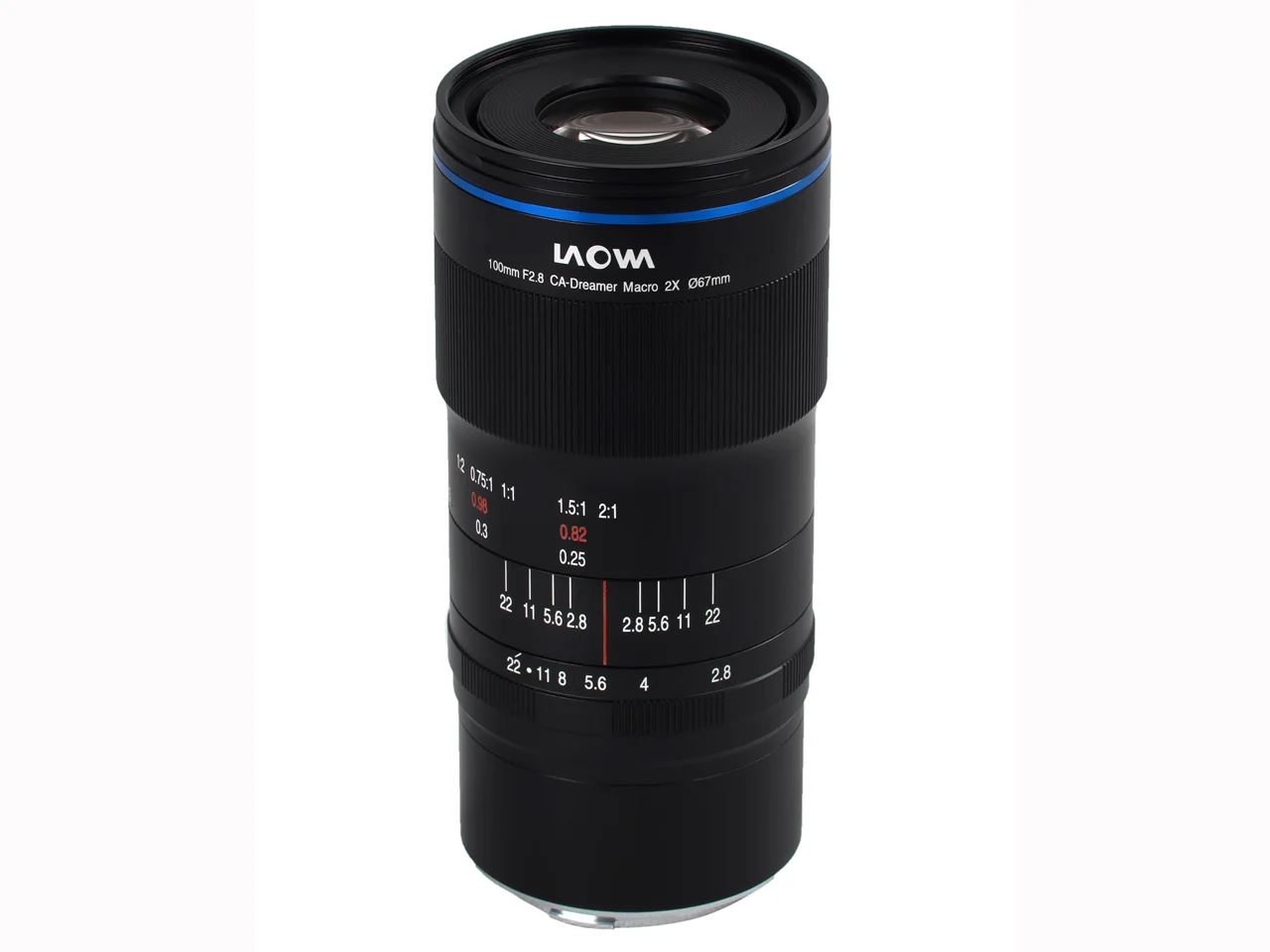
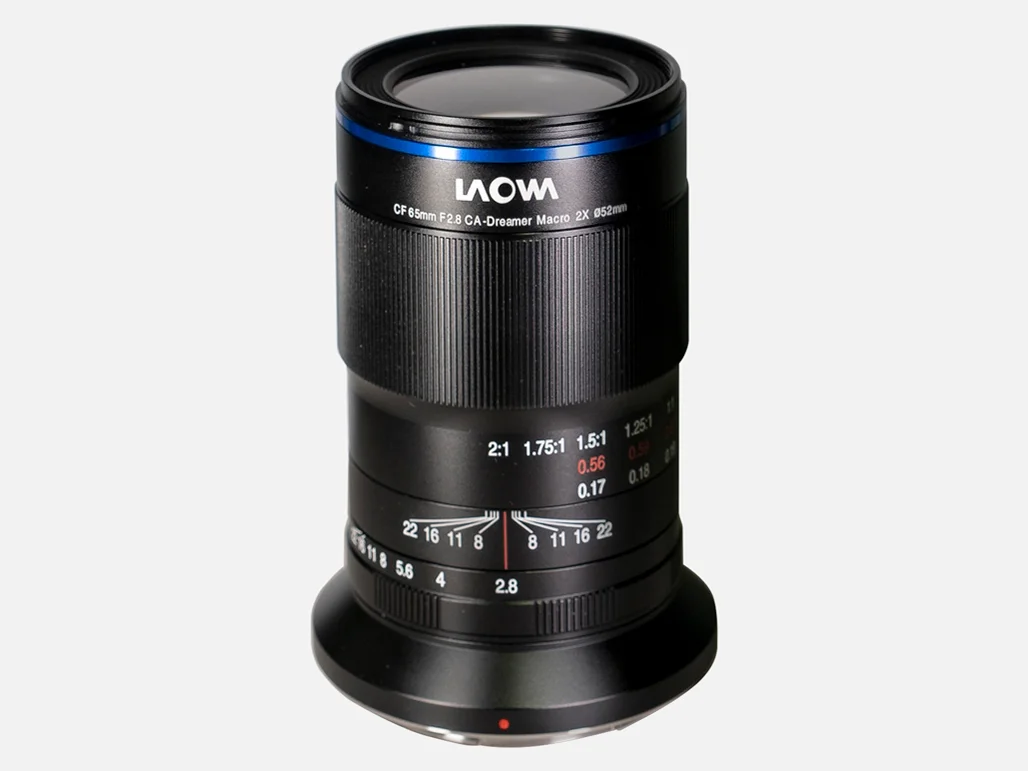
The Nikon NIKKOR Z DX 18-140mm f/3.5-6.3 VR is a zoom (18-140mm) and the Laowa 100mm f/2.8 2X Ultra Macro APO (Nikon Z) is a 100mm prime. The zoom gives you framing flexibility from one lens; the prime trades that for a fixed focal length that's usually brighter (f/2.8 vs f/3.5) and lighter to carry. Choose flexibility or a fast single focal length.
Choose the Laowa 100mm f/2.8 2X Ultra Macro APO (Nikon Z) if…
- ✓You want more light and background blur — f/2.8 is faster than f/3.5, better for low light and subject separation.
- ✓You shoot close-ups — 2x magnification gets you true macro the other can't.
- ✓You prefer a fast, compact single focal length — a 100mm prime over a zoom.
Choose the Nikon NIKKOR Z DX 18-140mm f/3.5-6.3 VR if…
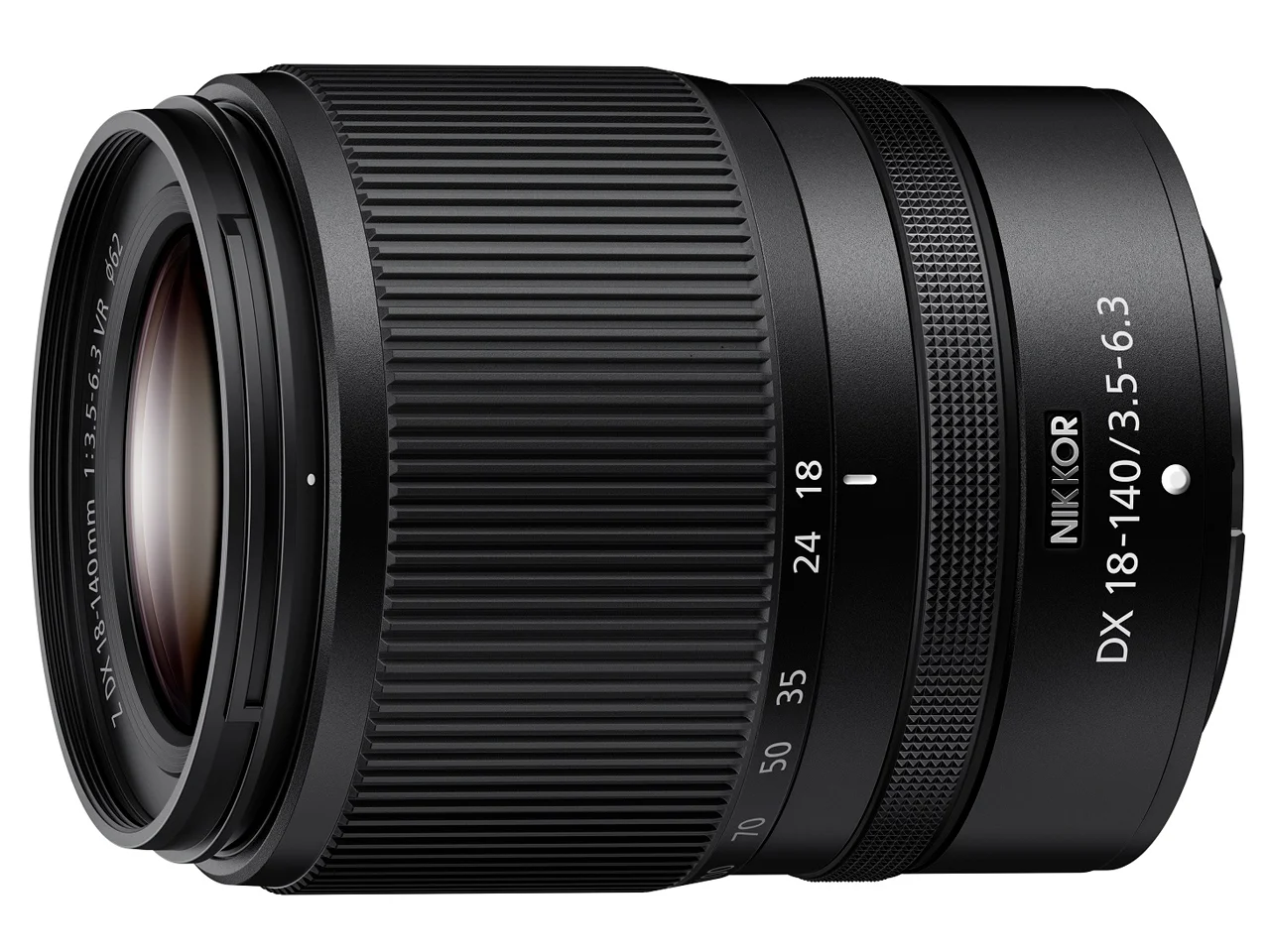
- ✓You need more reach — it goes to 140mm vs 100mm for distant subjects, wildlife and sport.
- ✓You shoot wide — it starts at 18mm vs 100mm for landscapes, interiors and architecture.
- ✓You want one-lens flexibility — a 18-140mm zoom covers what the fixed 100mm can't reframe.
- ✓You shoot handheld or on an unstabilised body — it has optical stabilisation, the other doesn't.
Where they differ
- ›Aperture: the Laowa 100mm f/2.8 2X Ultra Macro APO (Nikon Z) opens to f/2.8 vs the Nikon NIKKOR Z DX 18-140mm f/3.5-6.3 VR's f/3.5 — more light and shallower depth-of-field.
- ›Focal range: Laowa 100mm f/2.8 2X Ultra Macro APO (Nikon Z) is 100mm, Nikon NIKKOR Z DX 18-140mm f/3.5-6.3 VR is 18-140mm — different framing and reach.
- ›Type: the Nikon NIKKOR Z DX 18-140mm f/3.5-6.3 VR is a zoom (flexible framing), the Laowa 100mm f/2.8 2X Ultra Macro APO (Nikon Z) a prime (one focal length, usually brighter and lighter).
- ›Stabilisation: only the Nikon NIKKOR Z DX 18-140mm f/3.5-6.3 VR has optical stabilisation — steadier handheld shots, especially on bodies without IBIS.
- ›Close-up: the Laowa 100mm f/2.8 2X Ultra Macro APO (Nikon Z) reaches 2x magnification vs 0.36x — more for close-up and macro work.
- ›Weight: the Nikon NIKKOR Z DX 18-140mm f/3.5-6.3 VR is 315g (11.1 oz) vs 600g (1.32 lb) — you'll feel the difference handheld.
Frequently asked
Is the Laowa 100mm f/2.8 2X Ultra Macro APO (Nikon Z) or the Nikon NIKKOR Z DX 18-140mm f/3.5-6.3 VR better?
The Nikon NIKKOR Z DX 18-140mm f/3.5-6.3 VR is a zoom (18-140mm) and the Laowa 100mm f/2.8 2X Ultra Macro APO (Nikon Z) is a 100mm prime. The zoom gives you framing flexibility from one lens; the prime trades that for a fixed focal length that's usually brighter (f/2.8 vs f/3.5) and lighter to carry. Choose flexibility or a fast single focal length.
Who should choose the Laowa 100mm f/2.8 2X Ultra Macro APO (Nikon Z)?
Choose the Laowa 100mm f/2.8 2X Ultra Macro APO (Nikon Z) if you want more light and background blur — f/2.8 is faster than f/3.5, better for low light and subject separation. Choose it if you shoot close-ups — 2x magnification gets you true macro the other can't. Choose it if you prefer a fast, compact single focal length — a 100mm prime over a zoom.
Who should choose the Nikon NIKKOR Z DX 18-140mm f/3.5-6.3 VR?
Choose the Nikon NIKKOR Z DX 18-140mm f/3.5-6.3 VR if you need more reach — it goes to 140mm vs 100mm for distant subjects, wildlife and sport. Choose it if you shoot wide — it starts at 18mm vs 100mm for landscapes, interiors and architecture. Choose it if you want one-lens flexibility — a 18-140mm zoom covers what the fixed 100mm can't reframe. Choose it if you shoot handheld or on an unstabilised body — it has optical stabilisation, the other doesn't.
What is the main difference between the Laowa 100mm f/2.8 2X Ultra Macro APO (Nikon Z) and the Nikon NIKKOR Z DX 18-140mm f/3.5-6.3 VR?
Aperture: the Laowa 100mm f/2.8 2X Ultra Macro APO (Nikon Z) opens to f/2.8 vs the Nikon NIKKOR Z DX 18-140mm f/3.5-6.3 VR's f/3.5 — more light and shallower depth-of-field.
| Product | ||
|---|---|---|
| Optical Design | ||
| Focal Length | 100mm | 18-140mm |
| Lens Type | Prime | Zoom |
| Optical Elements | 12 | 16 |
| Optical Groups | 10 | 11 |
| Aperture & Iris | ||
| Maximum Aperture | f/2.8 | f/3.5 |
| Minimum Aperture | f/22 | f/22 |
| Aperture Blades | 9 | 7 |
| Rounded Aperture | No | Yes |
| Coverage & Angle | ||
| Format Coverage | Full-Frame | APS-C |
| Lens Mount | Nikon Z | Nikon Z |
| Angle of View | 24° | 76° – 12° |
| 35mm Equivalent | − | 27-210mm |
| Focus | ||
| Autofocus | No | Yes |
| Focus Motor | − | Stepping |
| Focus Limiter | No | No |
| AF/MF Switch | No | No |
| Min Focus Distance | 23 cm | 20 cm |
| Max Magnification | 2x | 0.36x |
| Stabilization & Video | ||
| Optical Stabilization | No | Yes |
| Aperture Ring | No | No |
| Declickable Aperture | No | No |
| Parfocal | No | No |
| Internal Zoom | No | No |
| General | ||
| Price (MSRP) | $599 | $599 |
| Filter Size | 67mm | 62mm |
| Diameter | 77mm | 70mm |
| Length | 130mm | 88.5mm |
| Weight | 600g (1.32 lb) | 315g (11.1 oz) |
| Weather Sealed | No | No |
| Tripod Collar | No | No |