OM System OM-D E-M1 Mark III → OM System OM-1 Mark II
Is the upgrade worth it? Every change on the spec sheet, and an honest read on who should bother.
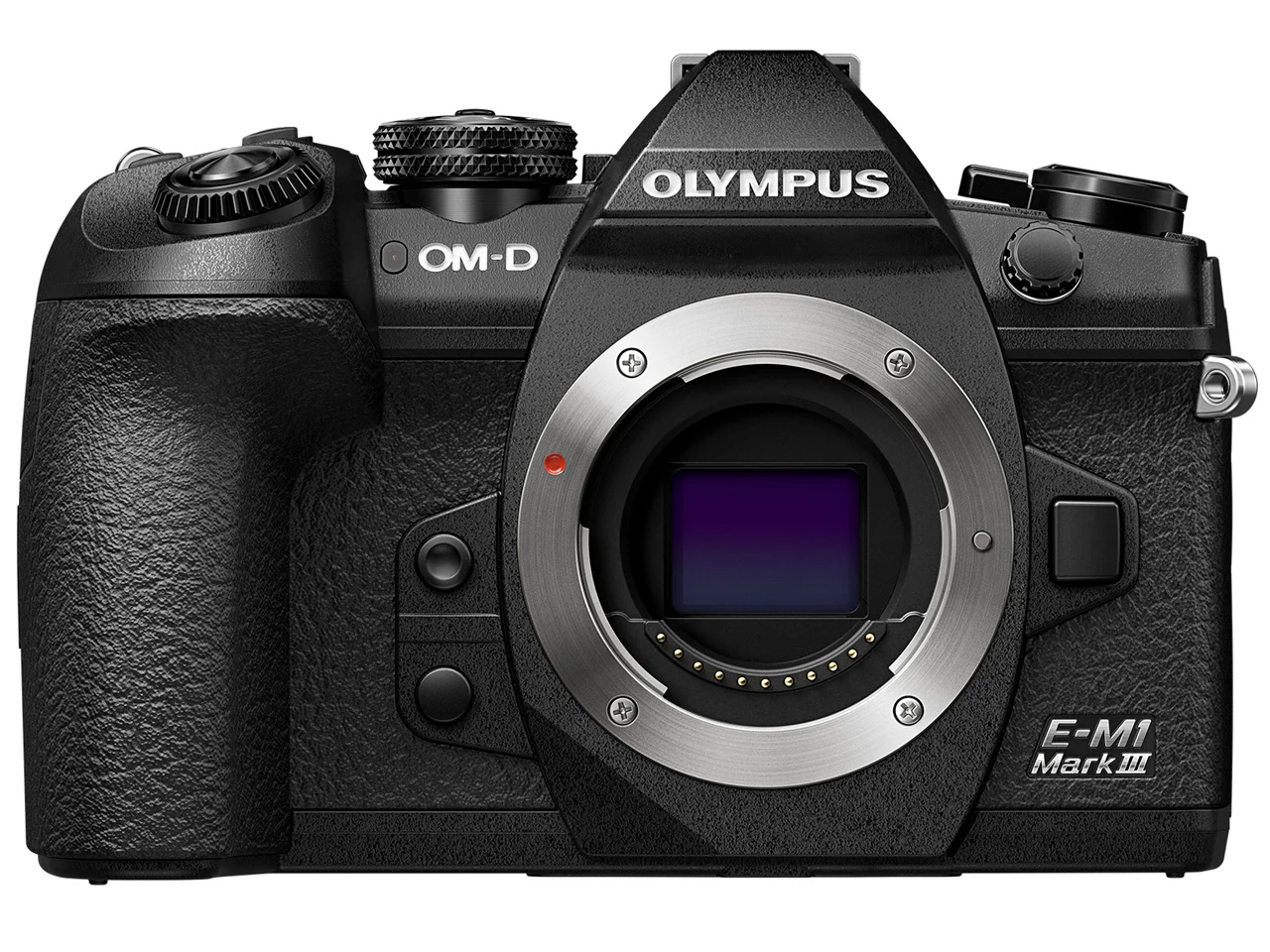
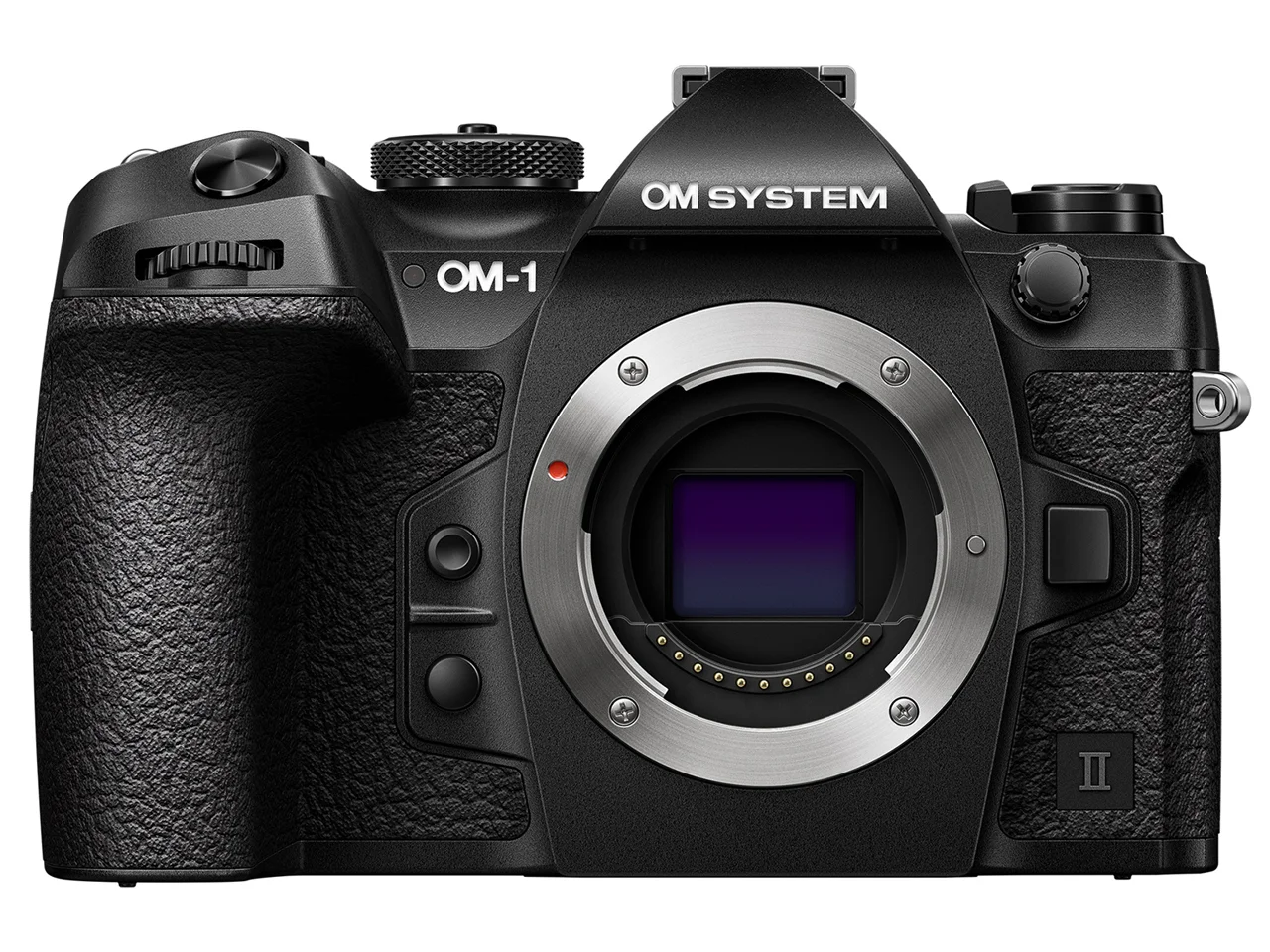
The bottom line
The OM System OM-1 Mark II is 2 generations newer to your OM System OM-D E-M1 Mark III, released 4 years later. Across the full spec sheet it improves 8 items and steps back on 2. The changes that matter most: burst jumps from 25fps to 50fps. The OM System OM-1 Mark II lists at $2,399 (the OM System OM-D E-M1 Mark III launched at $1,799, and older bodies typically sell for well under launch price on the used market). If several of the gains below map to how you shoot, this is a substantial step up; if none do, your current body keeps doing everything it does today.
Upgrade to the OM System OM-1 Mark II if…
- ✓You shoot action, sports or wildlife — 50fps burst and 1,053 phase-detect points keeps up with fast, erratic movement where 25fps would drop frames.
- ✓You shoot in low light or indoors — AF that focuses down to -9 EV gives it the edge after dark.
Stick with the OM System OM-D E-M1 Mark III if…
- •You're budget-conscious — it launched at $1,799, about $600 less, freeing money for lenses.
- •You value portability — at 504g (1.11 lb) it's noticeably lighter than the 599g (1.32 lb) alternative for travel and all-day carry.
- •None of the headline changes map to what you actually shoot — the camera you own doesn't get worse when a successor launches.
What changed (17 items)
↑ 8 improved · ↓ 2 stepped back · → changed without a clear better/worse
| Spec | OM System OM-D E-M1 Mark III | OM System OM-1 Mark II |
|---|---|---|
| Imaging | ||
| →Sensor Type | Live MOS | BSI Stacked Live MOS |
| →Image Processor | TruePic IX | TruePic X |
| Exposure Control | ||
| →ISO Range (Extended) | 64 – 102400 | 80 – 102400 |
| Still Image Capture | ||
| ↑Continuous Shooting | 25 fps | 50 fps |
| Video Capture | ||
| ↑1080p Recording | Up to 120p | Up to 240p |
| →Log Profiles | OM-Log400 | OM-Log400 / HLG |
| Focus | ||
| ↑Phase Detect Points | 121 | 1,053 |
| ↑Low Light AF | -6 EV | -9 EV |
| Viewfinder | ||
| ↑EVF Resolution | 2.36M dots | 5.76M dots |
| Monitor | ||
| ↑LCD Resolution | 1.04M dots | 1.62M dots |
| Interface | ||
| →USB | USB-C 3.0 | USB-C 3.2 |
| General | ||
| ↓Price (MSRP) | $1,799 | $2,399 |
| →Dimensions | 134.1×91.9×68.9 mm | 134.8×91.6×72.7 mm |
| ↓Weight | 504g (1.11 lb) | 599g (1.32 lb) |
| ↑Battery Life (EVF) | 420 shots | 520 shots |
| ↑Battery Life (LCD) | 420 shots | 520 shots |
| →Battery Type | BLH-1 | BLX-1 |
What stayed the same (31 items)
Everything below is identical on both bodies — if these are what you buy a camera for, the OM System OM-D E-M1 Mark III already has them.
Ready to buy?
OM System OM-D E-M1 Mark III (keep or buy used)
As an Amazon Associate, we earn from qualifying purchases — at no extra cost to you.
OM System OM-1 Mark II
As an Amazon Associate, we earn from qualifying purchases — at no extra cost to you.
Frequently asked
Is it worth upgrading from the OM System OM-D E-M1 Mark III to the OM System OM-1 Mark II?
The OM System OM-1 Mark II is 2 generations newer to your OM System OM-D E-M1 Mark III, released 4 years later. Across the full spec sheet it improves 8 items and steps back on 2. The changes that matter most: burst jumps from 25fps to 50fps. The OM System OM-1 Mark II lists at $2,399 (the OM System OM-D E-M1 Mark III launched at $1,799, and older bodies typically sell for well under launch price on the used market). If several of the gains below map to how you shoot, this is a substantial step up; if none do, your current body keeps doing everything it does today.
What are the biggest improvements of the OM System OM-1 Mark II over the OM System OM-D E-M1 Mark III?
Across the spec sheet the OM System OM-1 Mark II improves 8 items. The most significant: 50fps burst and 1,053 phase-detect points keeps up with fast, erratic movement where 25fps would drop frames. AF that focuses down to -9 EV gives it the edge after dark.
What does the OM System OM-D E-M1 Mark III still do just as well as the OM System OM-1 Mark II?
31 spec items are identical between the two, including sensor size (Micro Four Thirds), effective resolution (20.4 MP), lens mount (Micro Four Thirds), iso range (native) (200 – 25600), mechanical shutter (1/8000), electronic shutter (1/32000). If those cover your needs, the older body remains fully capable.
Does the OM System OM-1 Mark II give anything up compared to the OM System OM-D E-M1 Mark III?
Yes — 2 items on the spec sheet move the other way: price (msrp) ($1,799 → $2,399), weight (504g (1.11 lb) → 599g (1.32 lb)).
Full side-by-side spec table →OM System OM-1 Mark II full specs →