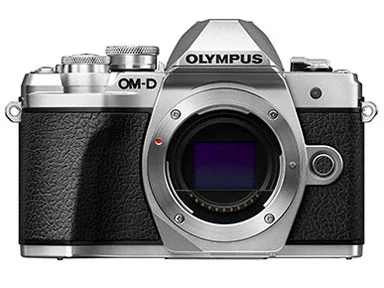
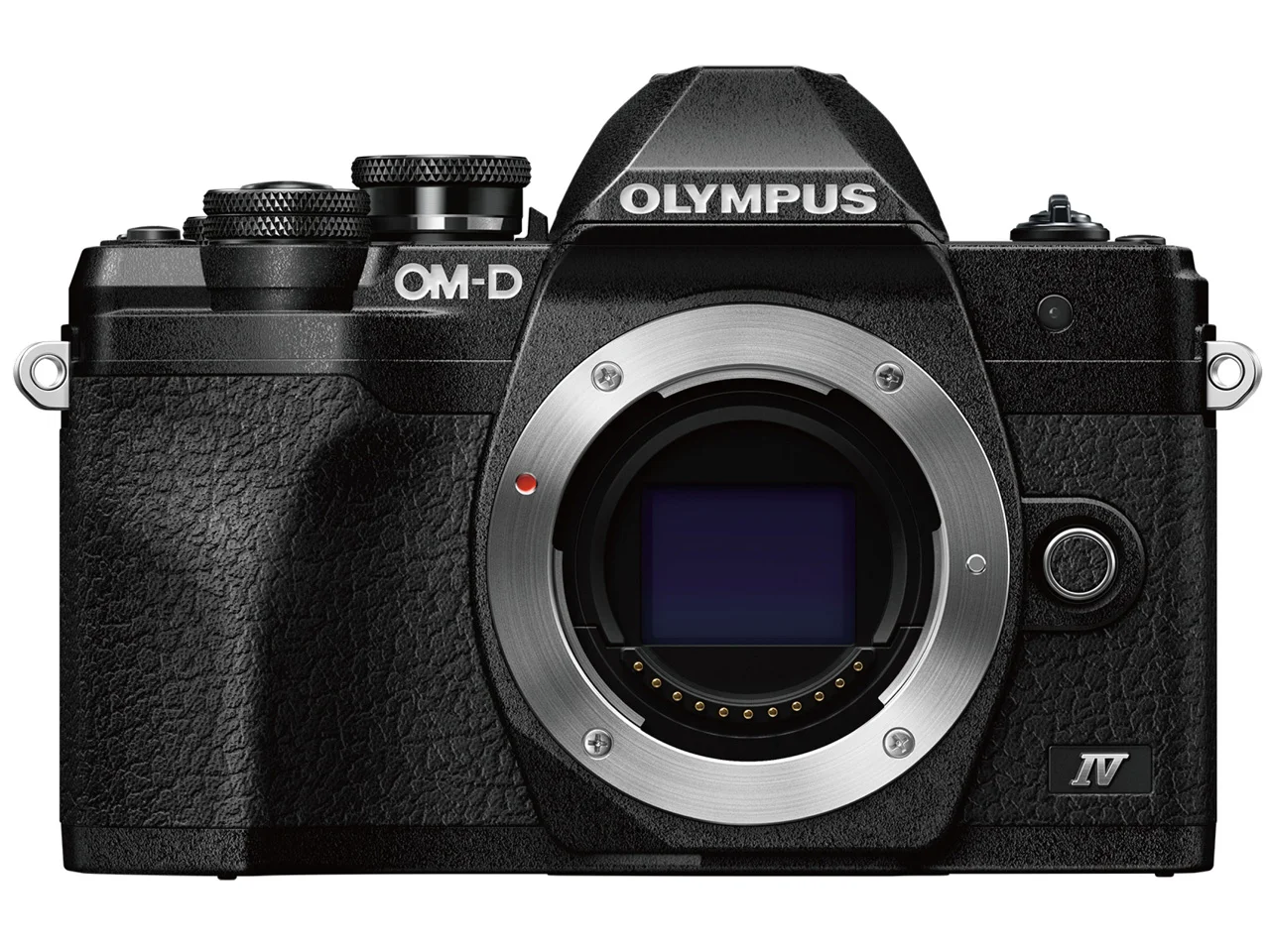
OM System OM-D E-M10 Mark III → OM System OM-D E-M10 Mark IV
Is the upgrade worth it? Every change on the spec sheet, and an honest read on who should bother.
The bottom line
The OM System OM-D E-M10 Mark IV is the direct successor to your OM System OM-D E-M10 Mark III, released 3 years later. Across the full spec sheet it improves 10 items and steps back on 1. The changes that matter most: burst jumps from 8fps to 15fps; resolution rises from 16.1MP to 20.3MP; in-body stabilisation is added. The OM System OM-D E-M10 Mark IV lists at $799 (the OM System OM-D E-M10 Mark III launched at $699, and older bodies typically sell for well under launch price on the used market). If several of the gains below map to how you shoot, this is a substantial step up; if none do, your current body keeps doing everything it does today.
Upgrade to the OM System OM-D E-M10 Mark IV if…
- ✓You shoot action, sports or wildlife — 15fps burst and 121 phase-detect points keeps up with fast, erratic movement where 8fps would drop frames.
- ✓You shoot video seriously — it brings 10-bit internal colour.
- ✓You shoot handheld — in-body stabilisation lets you use slower shutter speeds and steadies video, which the other body can't do without a stabilised lens.
Stick with the OM System OM-D E-M10 Mark III if…
- •None of the headline changes map to what you actually shoot — the camera you own doesn't get worse when a successor launches.
What changed (12 items)
↑ 10 improved · ↓ 1 stepped back · → changed without a clear better/worse
| Spec | OM System OM-D E-M10 Mark III | OM System OM-D E-M10 Mark IV |
|---|---|---|
| Imaging | ||
| ↑Effective Resolution | 16.1 MP | 20.3 MP |
| Still Image Capture | ||
| ↑Continuous Shooting | 8 fps | 15 fps |
| Video Capture | ||
| ↑10-bit Internal | No | Yes |
| Focus | ||
| ↑Phase Detect Points | 81 | 121 |
| ↑Low Light AF | -1 EV | -1.5 EV |
| ↑Eye AF | No | Yes |
| Viewfinder | ||
| ↑EVF Resolution | 1.44M dots | 2.36M dots |
| ↑EVF Magnification | 0.46x | 0.59x |
| General | ||
| ↓Price (MSRP) | $699 | $799 |
| →Dimensions | 121.5×83.6×49.5 mm | 121.4×83.6×49.6 mm |
| ↑Weight | 410g (14.5 oz) | 383g (13.5 oz) |
| ↑In-Body Stabilization | No | Yes |
What stayed the same (35 items)
Everything below is identical on both bodies — if these are what you buy a camera for, the OM System OM-D E-M10 Mark III already has them.
Ready to buy?
OM System OM-D E-M10 Mark III (keep or buy used)
As an Amazon Associate, we earn from qualifying purchases — at no extra cost to you.
OM System OM-D E-M10 Mark IV
As an Amazon Associate, we earn from qualifying purchases — at no extra cost to you.
Frequently asked
Is it worth upgrading from the OM System OM-D E-M10 Mark III to the OM System OM-D E-M10 Mark IV?
The OM System OM-D E-M10 Mark IV is the direct successor to your OM System OM-D E-M10 Mark III, released 3 years later. Across the full spec sheet it improves 10 items and steps back on 1. The changes that matter most: burst jumps from 8fps to 15fps; resolution rises from 16.1MP to 20.3MP; in-body stabilisation is added. The OM System OM-D E-M10 Mark IV lists at $799 (the OM System OM-D E-M10 Mark III launched at $699, and older bodies typically sell for well under launch price on the used market). If several of the gains below map to how you shoot, this is a substantial step up; if none do, your current body keeps doing everything it does today.
What are the biggest improvements of the OM System OM-D E-M10 Mark IV over the OM System OM-D E-M10 Mark III?
Across the spec sheet the OM System OM-D E-M10 Mark IV improves 10 items. The most significant: 15fps burst and 121 phase-detect points keeps up with fast, erratic movement where 8fps would drop frames. it brings 10-bit internal colour. in-body stabilisation lets you use slower shutter speeds and steadies video, which the other body can't do without a stabilised lens.
What does the OM System OM-D E-M10 Mark III still do just as well as the OM System OM-D E-M10 Mark IV?
35 spec items are identical between the two, including sensor type (Live MOS), sensor size (Micro Four Thirds), image processor (TruePic VIII), lens mount (Micro Four Thirds), iso range (native) (200 – 25600), iso range (extended) (100 – 25600). If those cover your needs, the older body remains fully capable.
Does the OM System OM-D E-M10 Mark IV give anything up compared to the OM System OM-D E-M10 Mark III?
Yes — 1 item on the spec sheet moves the other way: price (msrp) ($699 → $799).
Full side-by-side spec table →OM System OM-D E-M10 Mark IV full specs →