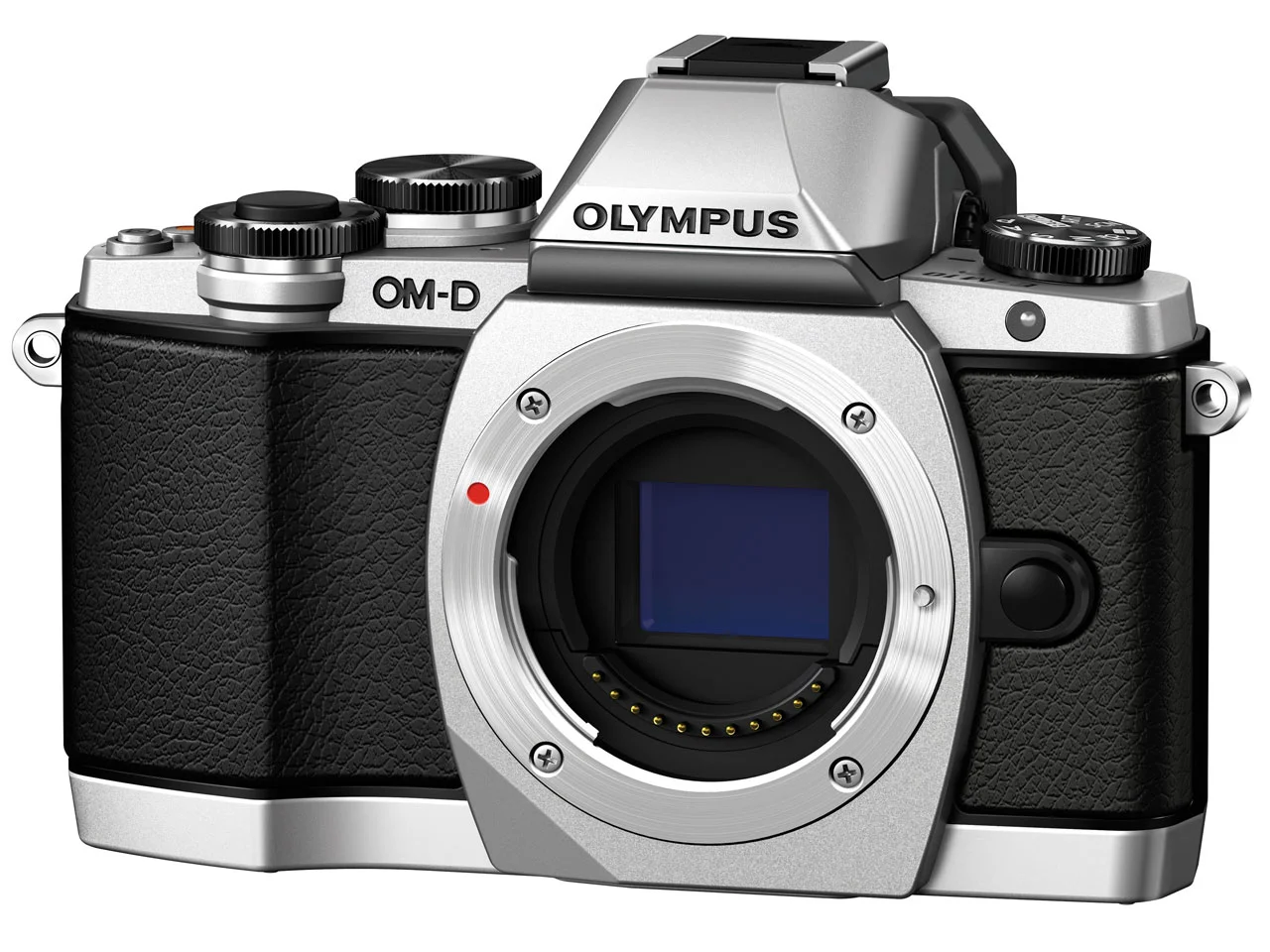
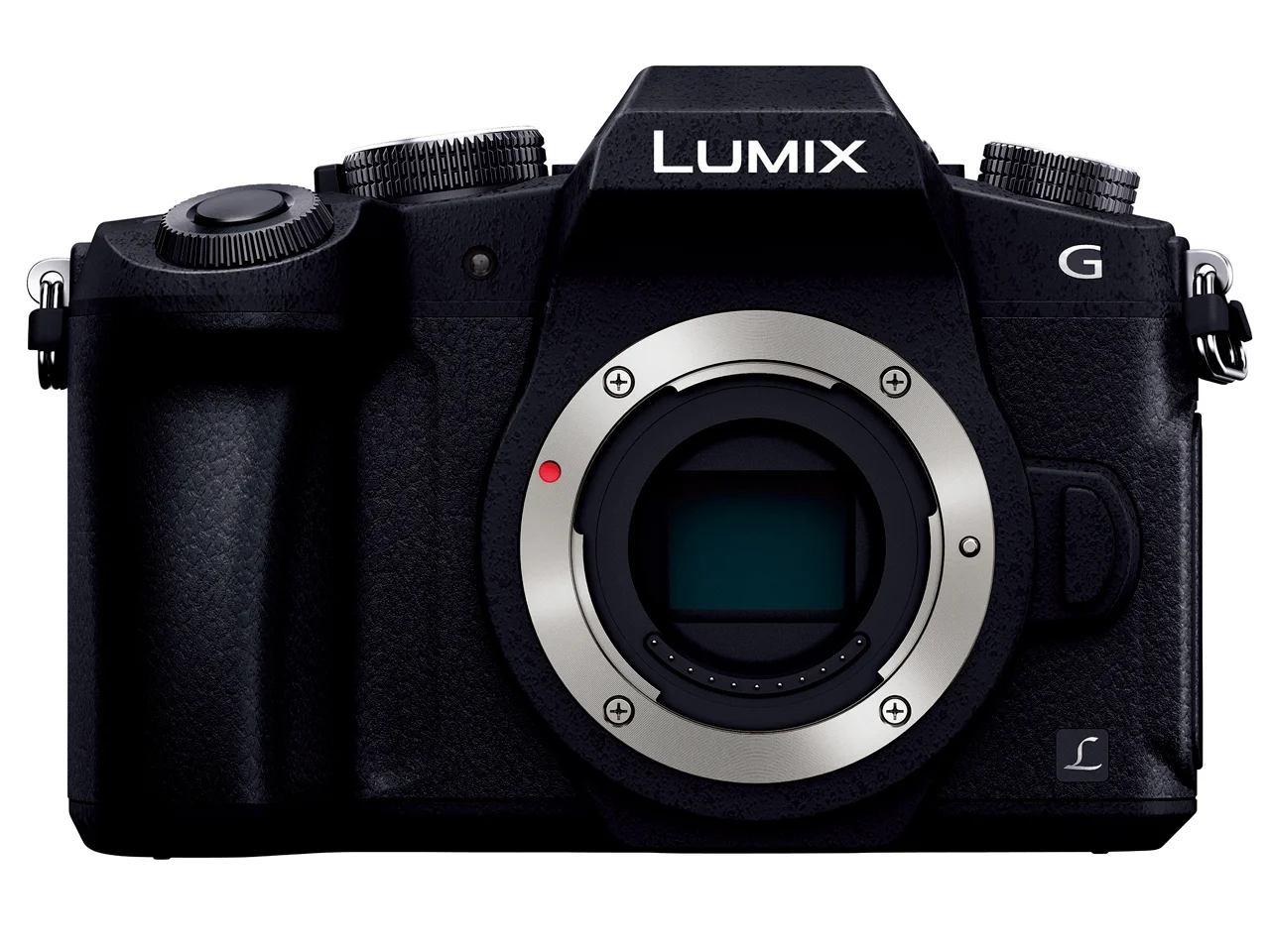
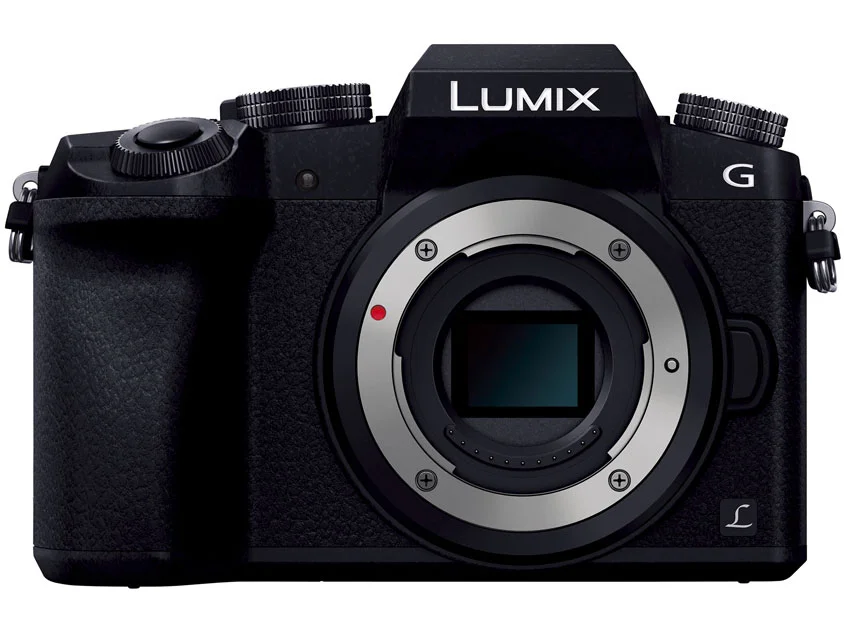
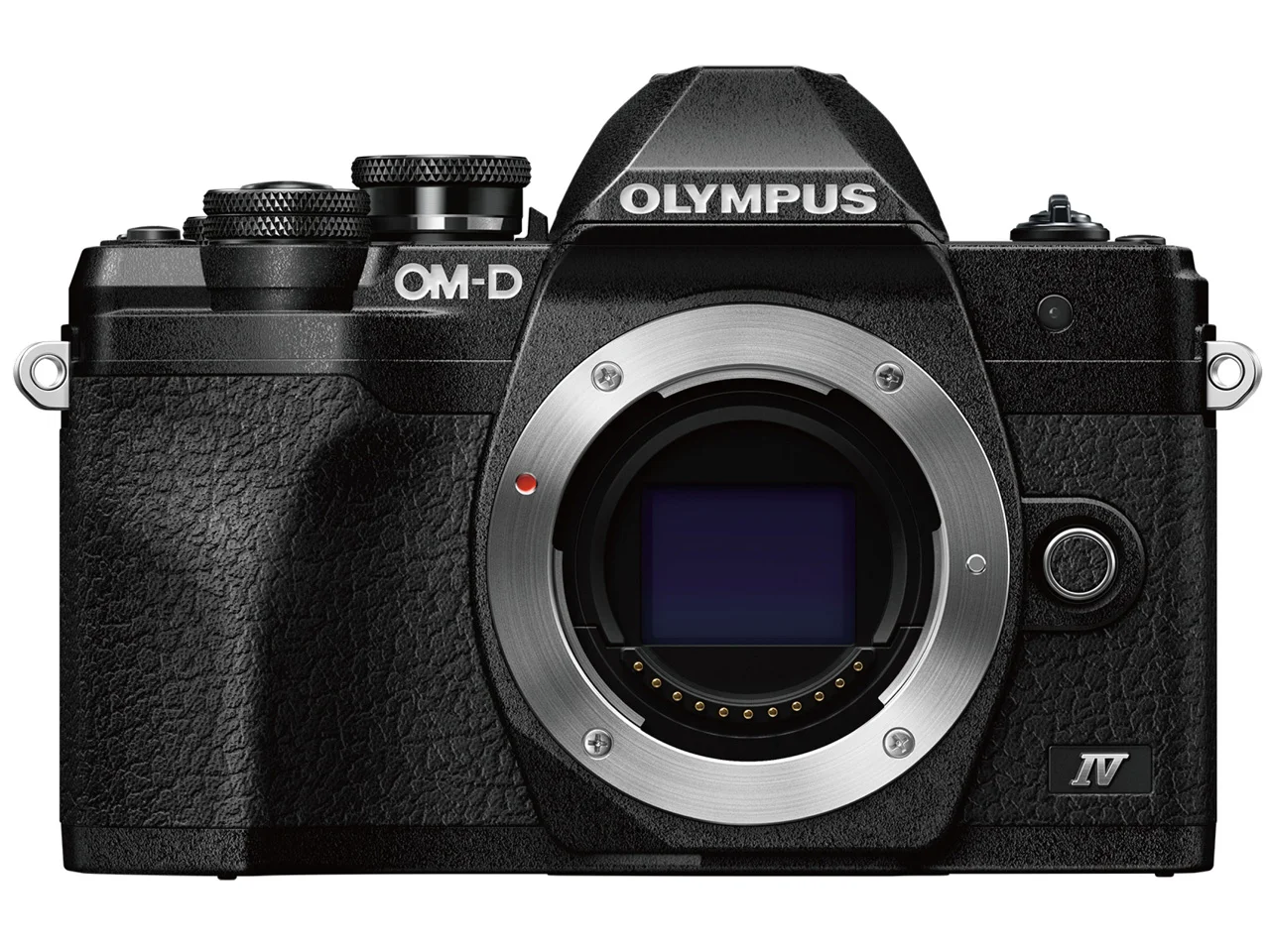
OM System OM-D E-M10 vs Panasonic LUMIX G80
The bottom line
These two are closely matched. The differences below are where they diverge — weigh the ones that map to how you actually shoot, and let price and handling break the tie.
Choose the OM System OM-D E-M10 if…
- ✓You value portability — at 396g (14.0 oz) it's noticeably lighter than the 505g (1.11 lb) alternative for travel and all-day carry.
Choose the Panasonic LUMIX G80 if…
- ✓You shoot video seriously — it brings no per-clip recording limit (vs a 29-min cap).
- ✓You shoot in low light or indoors — AF that focuses down to -3 EV gives it the edge after dark.
- ✓You work outdoors — it's weather-sealed for rain and dust, the other isn't.
Where they differ
- ›Durability: the Panasonic LUMIX G80 is weather-sealed against dust and rain; the other isn't.
- ›Weight: the OM System OM-D E-M10 is 396g (14.0 oz) vs 505g (1.11 lb) — 109g you'll feel on a long day out.
Frequently asked
Is the OM System OM-D E-M10 or the Panasonic LUMIX G80 better?
These two are closely matched. The differences below are where they diverge — weigh the ones that map to how you actually shoot, and let price and handling break the tie.
Who should choose the OM System OM-D E-M10?
Choose the OM System OM-D E-M10 if you value portability — at 396g (14.0 oz) it's noticeably lighter than the 505g (1.11 lb) alternative for travel and all-day carry.
Who should choose the Panasonic LUMIX G80?
Choose the Panasonic LUMIX G80 if you shoot video seriously — it brings no per-clip recording limit (vs a 29-min cap). Choose it if you shoot in low light or indoors — AF that focuses down to -3 EV gives it the edge after dark. Choose it if you work outdoors — it's weather-sealed for rain and dust, the other isn't.
What is the main difference between the OM System OM-D E-M10 and the Panasonic LUMIX G80?
Durability: the Panasonic LUMIX G80 is weather-sealed against dust and rain; the other isn't.
| Product | ||
|---|---|---|
| Imaging | ||
| Sensor Type | Live MOS | Live MOS |
| Sensor Size | Micro Four Thirds | Micro Four Thirds |
| Image Processor | TruePic VII | Venus Engine |
| Effective Resolution | 16.1 MP | 16 MP |
| Lens Mount | Micro Four Thirds | Micro Four Thirds |
| Exposure Control | ||
| ISO Range (Native) | 200 – 25600 | 200 – 25600 |
| ISO Range (Extended) | 100 – 25600 | 100 – 25600 |
| Mechanical Shutter | 1/4000 | 1/4000 |
| Electronic Shutter | 1/16000 | 1/16000 |
| Flash Sync Speed | 1/250 | 1/160 |
| Built-in Flash | Yes | Yes |
| Still Image Capture | ||
| Continuous Shooting | 8 fps | 8 fps |
| Video Capture | ||
| Max Resolution | 1080p | 4K |
| 8K Recording | − | − |
| 4K Recording | − | Up to 30p |
| 1080p Recording | Up to 60p | Up to 60p |
| 10-bit Internal | No | No |
| Recording Limit | 29 min | No limit |
| Log Profiles | − | − |
| Built-in Mic | Stereo | Stereo |
| Headphone Jack | No | No |
| Mic Input | No | Yes |
| HDMI Output | Micro (Type D) | Micro (Type D) |
| Focus | ||
| Phase Detect Points | 81 | 49 |
| Contrast Detect Points | − | − |
| Low Light AF | -2 EV | -3 EV |
| Eye AF | No | No |
| Animal AF | No | No |
| Vehicle AF | No | No |
| Viewfinder | ||
| EVF Type | OLED | OLED |
| EVF Resolution | 1.44M dots | 1.44M dots |
| EVF Magnification | 0.46x | 0.74x |
| Monitor | ||
| LCD Size | 3" | 3" |
| LCD Resolution | 1.04M dots | 1.04M dots |
| LCD Type | Tilting | Free-angle |
| Touch Screen | Yes | Yes |
| Interface | ||
| Wi-Fi | Wi-Fi 5 | Wi-Fi 5 |
| Bluetooth | − | v4.2 |
| USB | Micro USB 2.0 | Micro USB 2.0 |
| Memory Card Slots | 1x SD UHS-I | 1x SD UHS-I |
| GPS | No | No |
| General | ||
| Price (MSRP) | $699 | $797 |
| Body Material | Polycarbonate | Magnesium Alloy |
| Dimensions | 119.5×83.6×46.7 mm | 128.4×89×74.3 mm |
| Weight | 396g (14.0 oz) | 505g (1.11 lb) |
| Weather Sealed | No | Yes |
| In-Body Stabilization | Yes | Yes |
| Battery Life (EVF) | 320 shots | 330 shots |
| Battery Life (LCD) | 320 shots | 330 shots |
| Battery Type | BLS-50 | DMW-BLC12 |