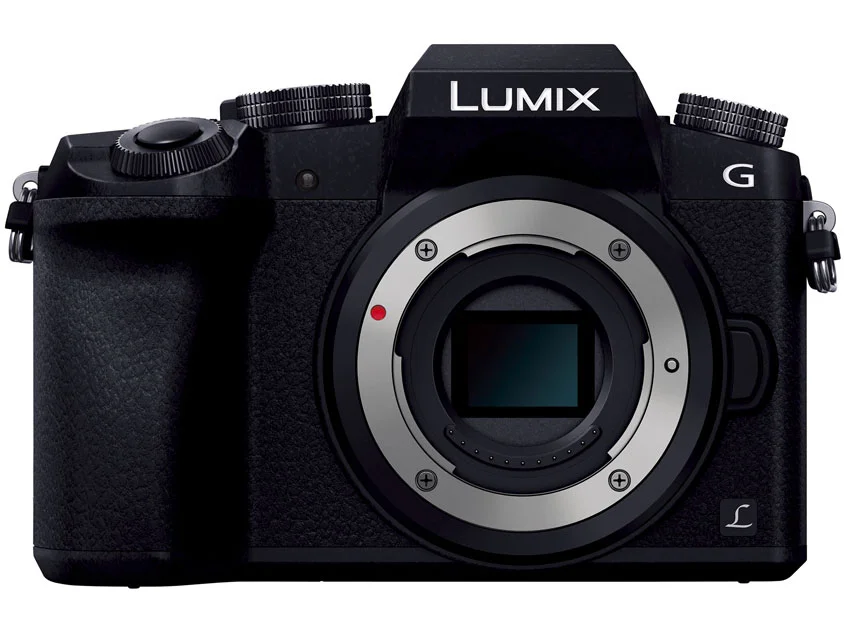
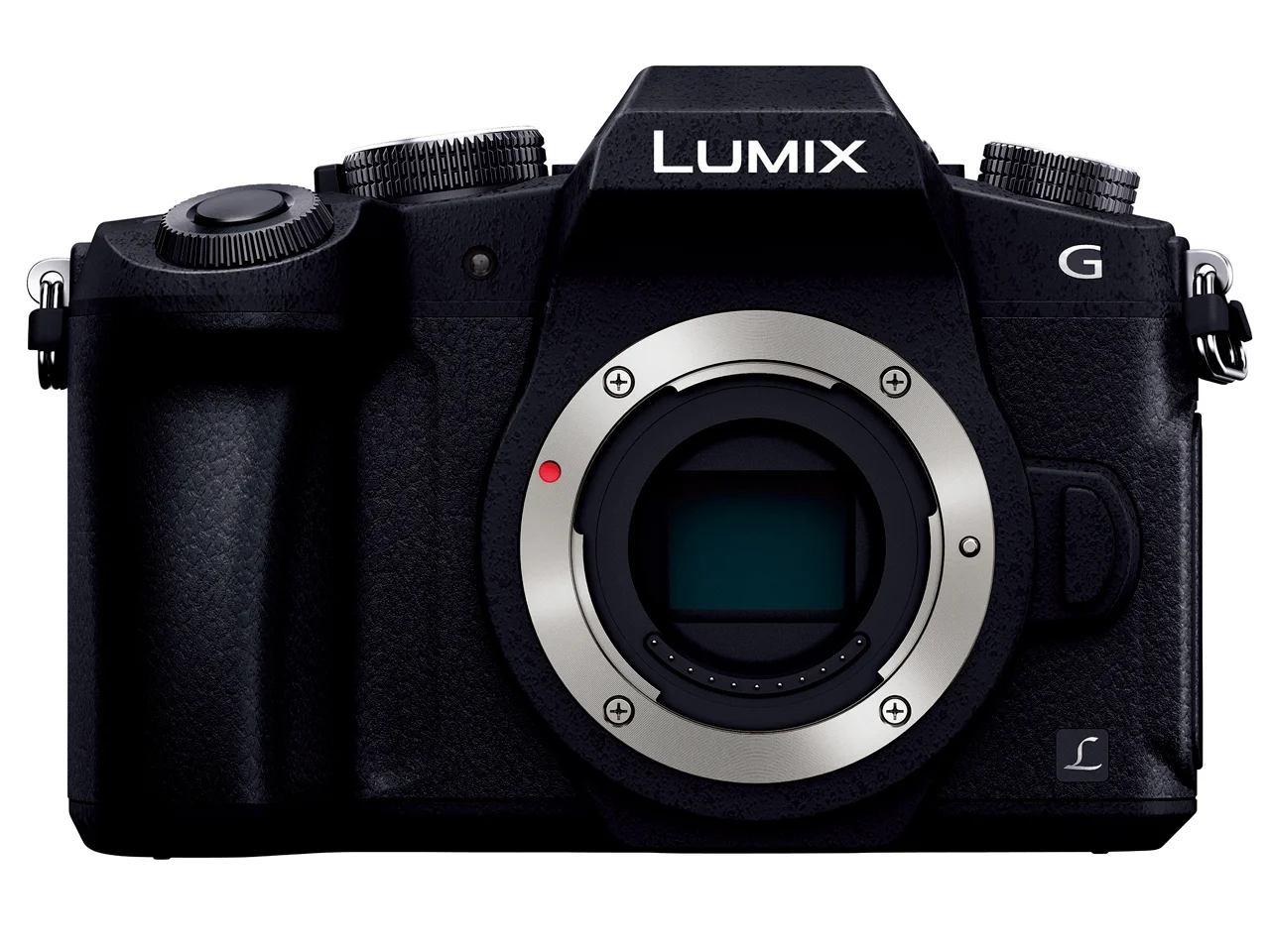
Panasonic LUMIX G7 vs Panasonic LUMIX G80
The bottom line
These two are closely matched. The differences below are where they diverge — weigh the ones that map to how you actually shoot, and let price and handling break the tie.
Choose the Panasonic LUMIX G7 if…
- ✓You vlog or shoot handheld solo — the fully-articulating screen flips to face you.
- ✓You value portability — at 410g (14.5 oz) it's noticeably lighter than the 505g (1.11 lb) alternative for travel and all-day carry.
Choose the Panasonic LUMIX G80 if…
- ✓You shoot handheld — in-body stabilisation lets you use slower shutter speeds and steadies video, which the other body can't do without a stabilised lens.
- ✓You work outdoors — it's weather-sealed for rain and dust, the other isn't.
Where they differ
- ›Stabilisation: only the Panasonic LUMIX G80 has in-body IS — slower handheld shutter speeds and steadier video without relying on stabilised lenses.
- ›Durability: the Panasonic LUMIX G80 is weather-sealed against dust and rain; the other isn't.
- ›Weight: the Panasonic LUMIX G7 is 410g (14.5 oz) vs 505g (1.11 lb) — 95g you'll feel on a long day out.
Frequently asked
Is the Panasonic LUMIX G7 or the Panasonic LUMIX G80 better?
These two are closely matched. The differences below are where they diverge — weigh the ones that map to how you actually shoot, and let price and handling break the tie.
Who should choose the Panasonic LUMIX G7?
Choose the Panasonic LUMIX G7 if you vlog or shoot handheld solo — the fully-articulating screen flips to face you. Choose it if you value portability — at 410g (14.5 oz) it's noticeably lighter than the 505g (1.11 lb) alternative for travel and all-day carry.
Who should choose the Panasonic LUMIX G80?
Choose the Panasonic LUMIX G80 if you shoot handheld — in-body stabilisation lets you use slower shutter speeds and steadies video, which the other body can't do without a stabilised lens. Choose it if you work outdoors — it's weather-sealed for rain and dust, the other isn't.
What is the main difference between the Panasonic LUMIX G7 and the Panasonic LUMIX G80?
Stabilisation: only the Panasonic LUMIX G80 has in-body IS — slower handheld shutter speeds and steadier video without relying on stabilised lenses.
| Product | ||
|---|---|---|
| Imaging | ||
| Sensor Type | Digital Live MOS | Live MOS |
| Sensor Size | Micro Four Thirds | Micro Four Thirds |
| Image Processor | Venus Engine | Venus Engine |
| Effective Resolution | 16 MP | 16 MP |
| Lens Mount | Micro Four Thirds | Micro Four Thirds |
| Exposure Control | ||
| ISO Range (Native) | 200 – 25600 | 200 – 25600 |
| ISO Range (Extended) | 100 – 25600 | 100 – 25600 |
| Mechanical Shutter | 1/4000 | 1/4000 |
| Electronic Shutter | 1/16000 | 1/16000 |
| Flash Sync Speed | 1/250 | 1/160 |
| Built-in Flash | Yes | Yes |
| Still Image Capture | ||
| Continuous Shooting | 8 fps | 8 fps |
| Video Capture | ||
| Max Resolution | 4K | 4K |
| 8K Recording | − | − |
| 4K Recording | Up to 30p | Up to 30p |
| 1080p Recording | Up to 180p | Up to 60p |
| 10-bit Internal | No | No |
| Recording Limit | No limit | No limit |
| Log Profiles | − | − |
| Built-in Mic | Stereo | Stereo |
| Headphone Jack | No | No |
| Mic Input | No | Yes |
| HDMI Output | Micro (Type D) | Micro (Type D) |
| Focus | ||
| Phase Detect Points | 49 | 49 |
| Contrast Detect Points | − | − |
| Low Light AF | -3 EV | -3 EV |
| Eye AF | No | No |
| Animal AF | No | No |
| Vehicle AF | No | No |
| Viewfinder | ||
| EVF Type | OLED | OLED |
| EVF Resolution | 2.36M dots | 1.44M dots |
| EVF Magnification | 0.7x | 0.74x |
| Monitor | ||
| LCD Size | 3" | 3" |
| LCD Resolution | 1.04M dots | 1.04M dots |
| LCD Type | Vari-Angle | Free-angle |
| Touch Screen | Yes | Yes |
| Interface | ||
| Wi-Fi | Wi-Fi 5 | Wi-Fi 5 |
| Bluetooth | v4.0 | v4.2 |
| USB | Micro USB 2.0 | Micro USB 2.0 |
| Memory Card Slots | 1x SD UHS-I | 1x SD UHS-I |
| GPS | No | No |
| General | ||
| Price (MSRP) | $799 | $797 |
| Body Material | Polycarbonate | Magnesium Alloy |
| Dimensions | 125×86×77 mm | 128.4×89×74.3 mm |
| Weight | 410g (14.5 oz) | 505g (1.11 lb) |
| Weather Sealed | No | Yes |
| In-Body Stabilization | No | Yes |
| Battery Life (EVF) | 360 shots | 330 shots |
| Battery Life (LCD) | 360 shots | 330 shots |
| Battery Type | DMW-BLC12 | DMW-BLC12 |